The Grand Union Canal - walking the towpath from Muscot Mill to Blisworth Tunnel.
Trees and Bridges and more Bridges all within quiet countryside are the main features of this section of The Grand Union Canal.
The following continues from our Braunston Locks, Norton Junction and Buckby Locks - Grand Union Canal item.
With all the flights of locks encountered further north, this section of the Grand Union Canal is a complete change - not a canal lock in sight!. The route alongside the canal and towpath is quite "countrified" - i.e. grassed or quite muddy after rain and is mostly quite narrow. There are quite a few very nice old brick bridges on the way and this stretch of the canal is often lined with beautiful trees - offering excellent walking especially in the Autumn when the leaves change.
[ Click the thumbnails for a larger picture - use the back button to return to this page. ]

Canal Bridge no.16

Canal Bridge 16

Muscott Mill Bridge 18

Muscott Mill Bridge
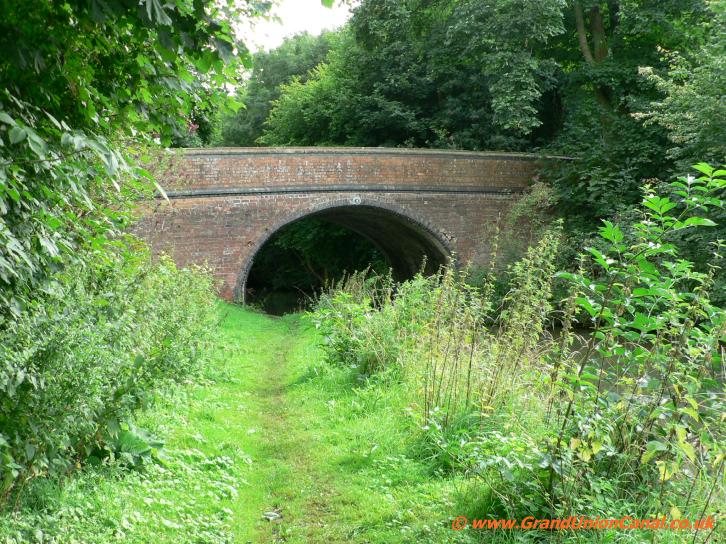
Diamond Bridge19
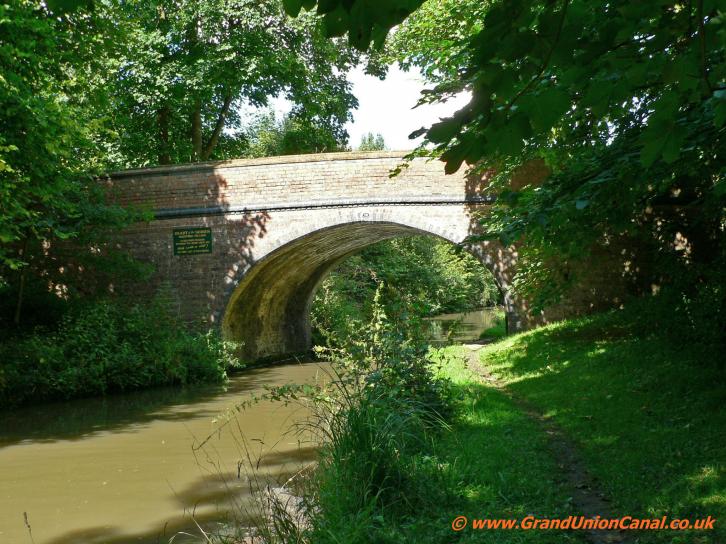
Diamond Bridge

ex Canal Bridge 20?
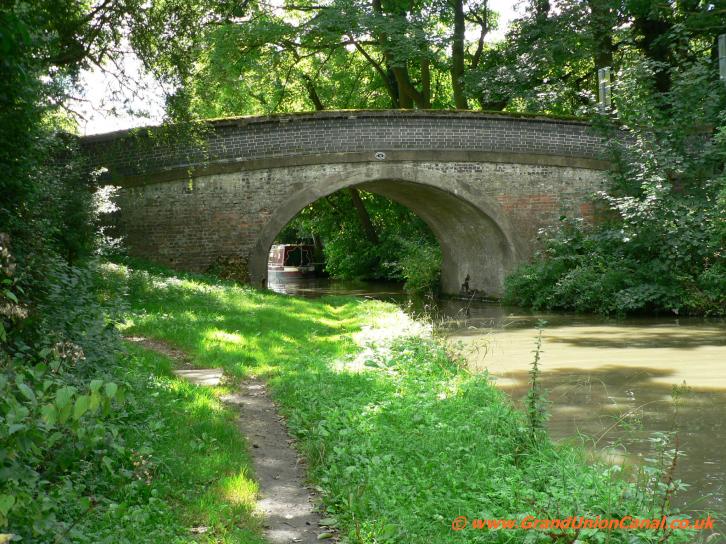
Dodford Road Bridge21
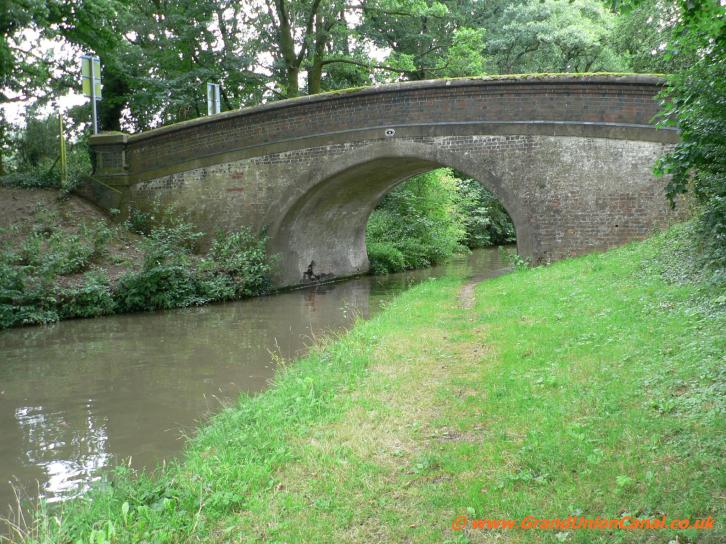
Dodford Road Bridge
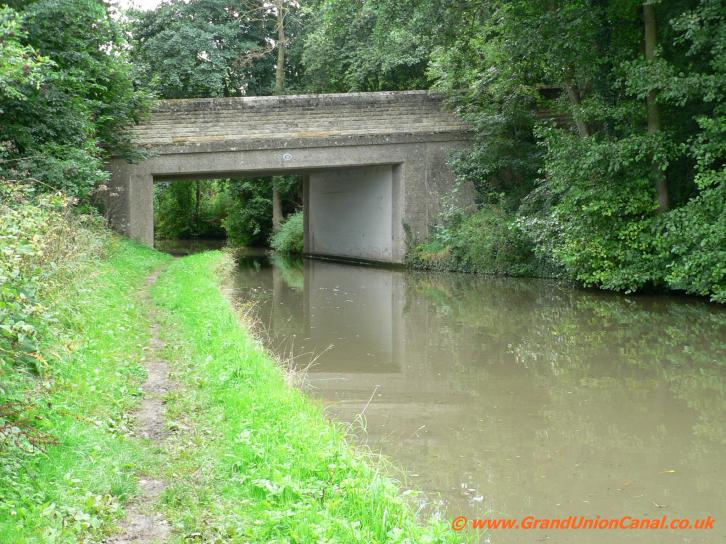
a5 Bridge no.22
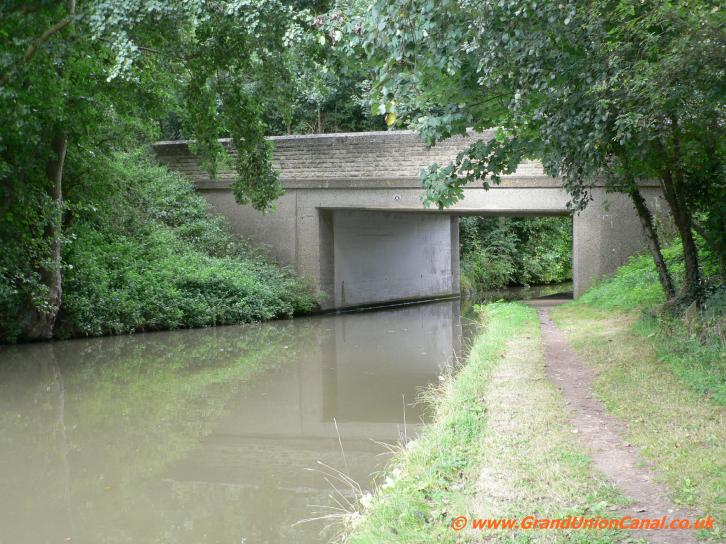
a5 Canal Bridge
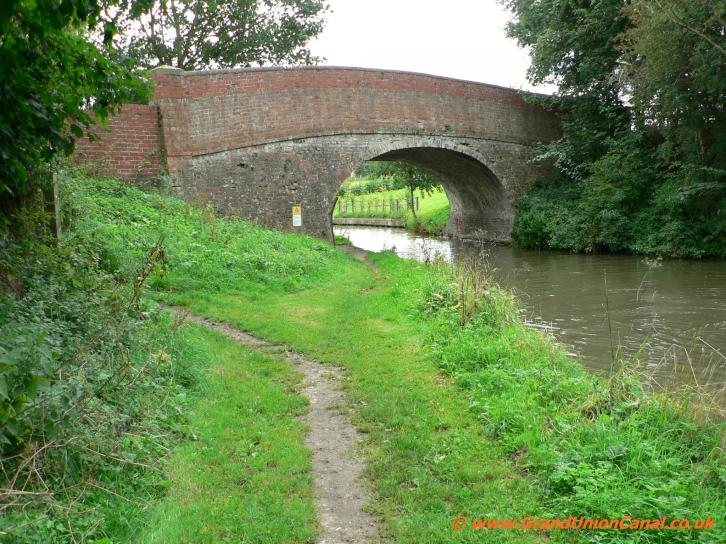
Brockhall Road Bridge 23
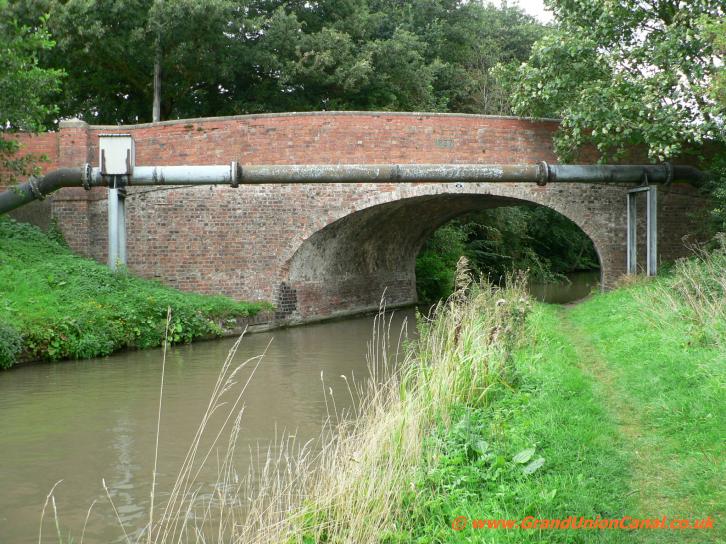
Pipebridge Brockhall Road

Weedon Bridge no.24
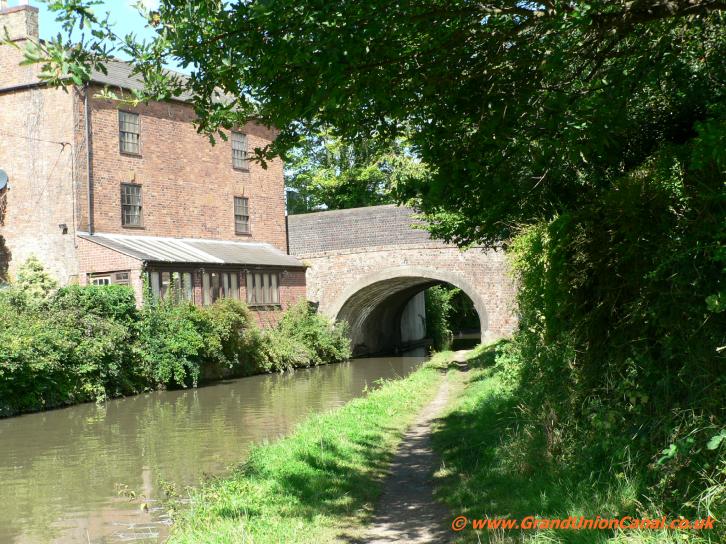
Weedon Bridge
The British Army at Weedon Bec and their use of the Grand Union Canal for transporting Ordnance.
Weedon was at one time the location of an important Military Ordnance Depot - constructed between 1805 and 1806 it was used as a central small arms depot for the British Army. The depot had it's own small branch leaving from The Grand Union Canal and later a railway siding was added. The Grand Union Canal was therefore an essential part of moving gunpowder, horses, troops and ordnance around the country. The depot contained large storage buildings which contained a variety of military ordnance and equipment ranging from pistols and rifles through to field artillery - in 1806 it was reported there was sufficient small arms to arm 200,000 men and the depot stored 140 pieces of cannon. Towards the end of the canal branch there were eventually five gunpowder magaines as well as a large clothing store. Weedon also had a military barracks and many stables to house both a troop of cavalry and a troop of horse artillery plus there was a large battalion of troops located nearbye.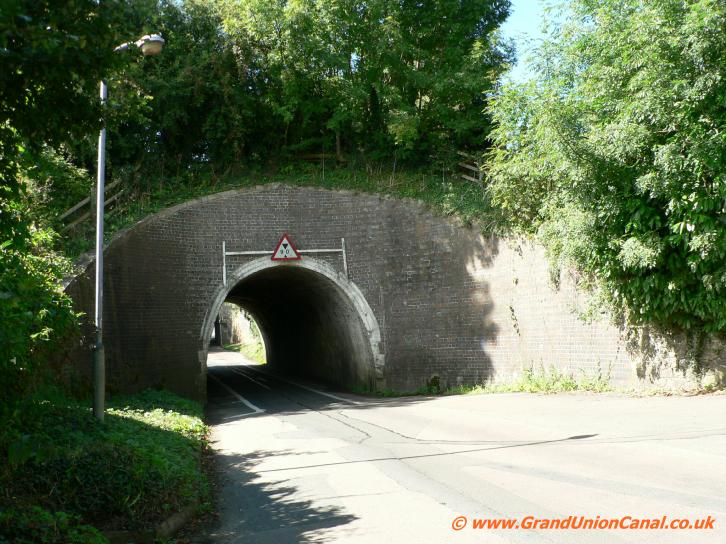
Aqueduct Bridge Weedon

Aqueduct Bridge

railway bridge
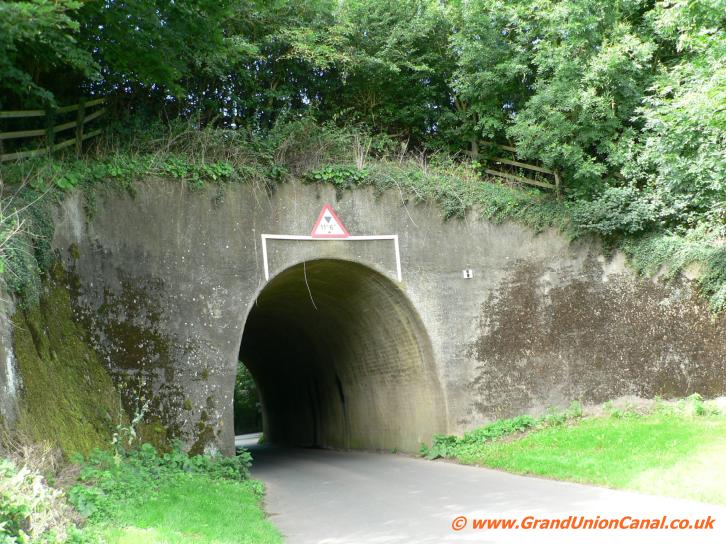
Weedon Aqueduct Bridge

Aqueduct Bridge

Weedon Beck Bridge25
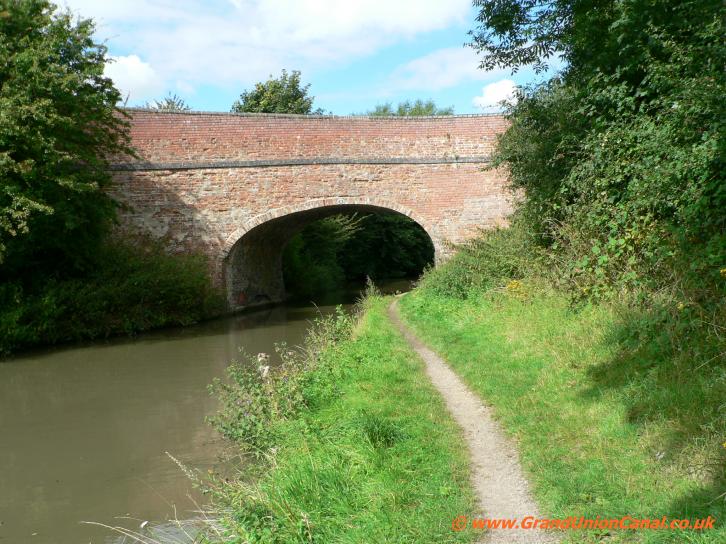
Weedon Beck Bridge

Stowehill Bridge no.26

Stowehill Bridge
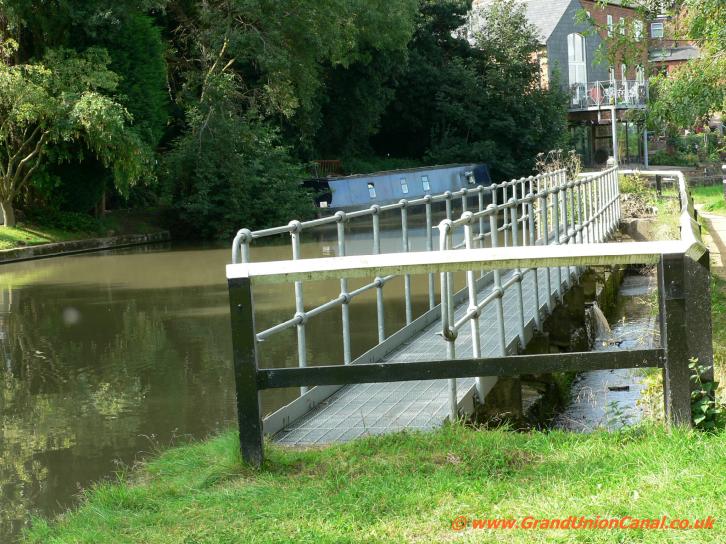
sluice nr Bridge 27
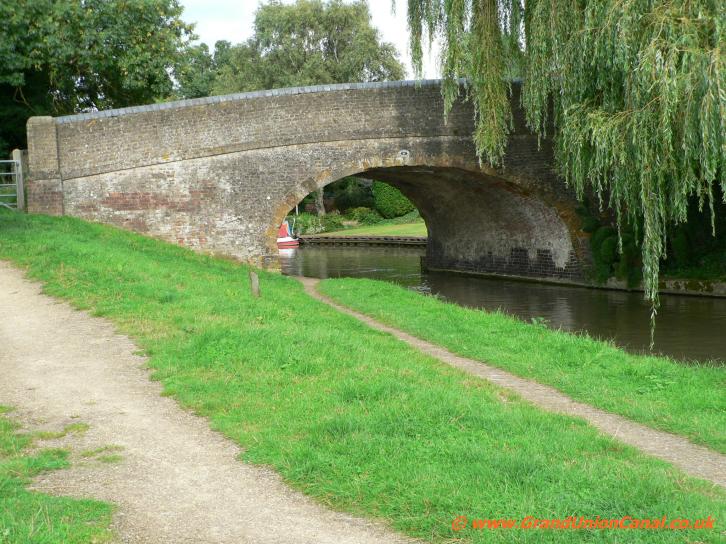
Flore Lane Bridge 27
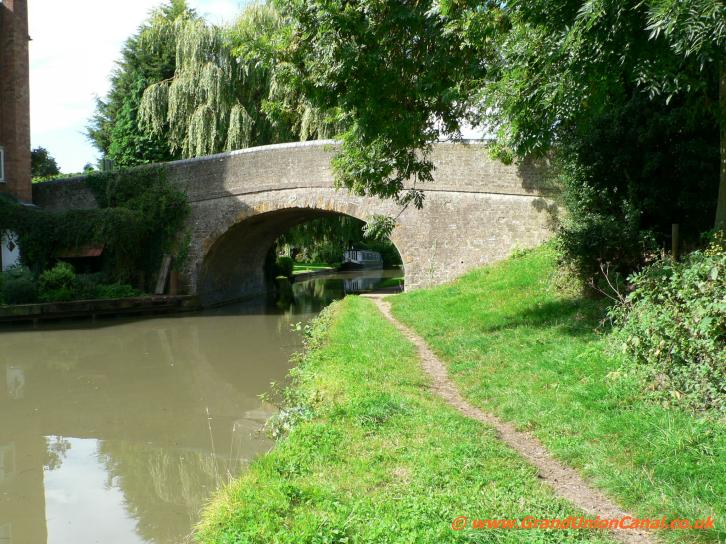
Flore Lane Bridge

Bridge
28
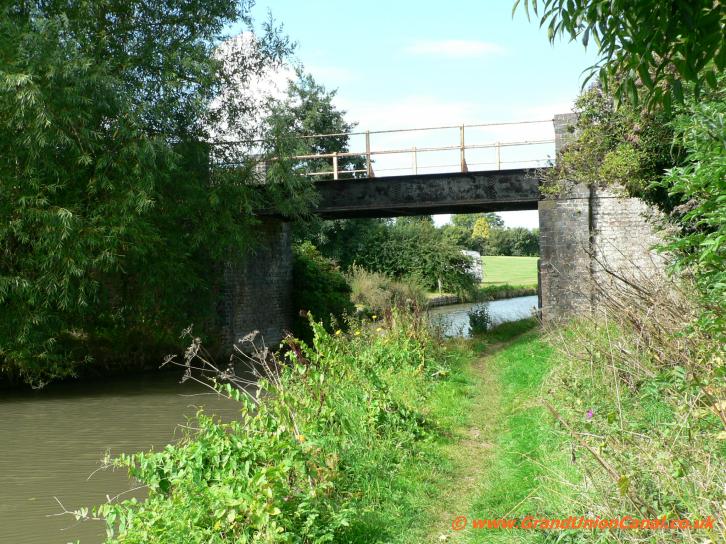
Standing-
ham Bridge
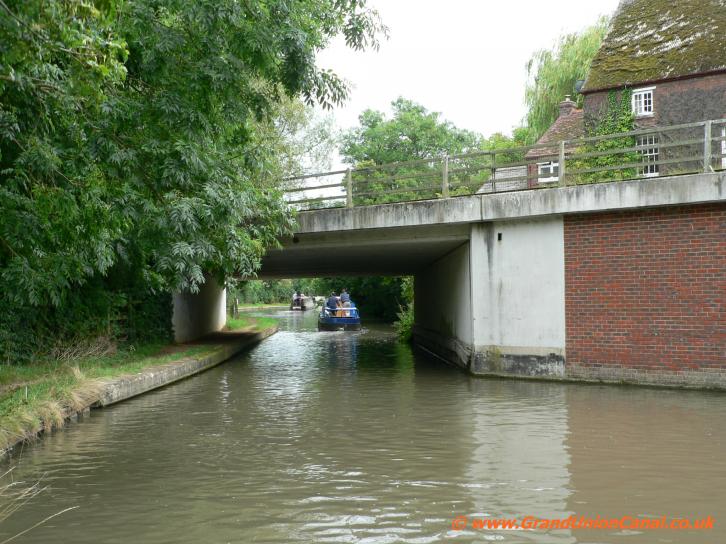
High House Bridge29
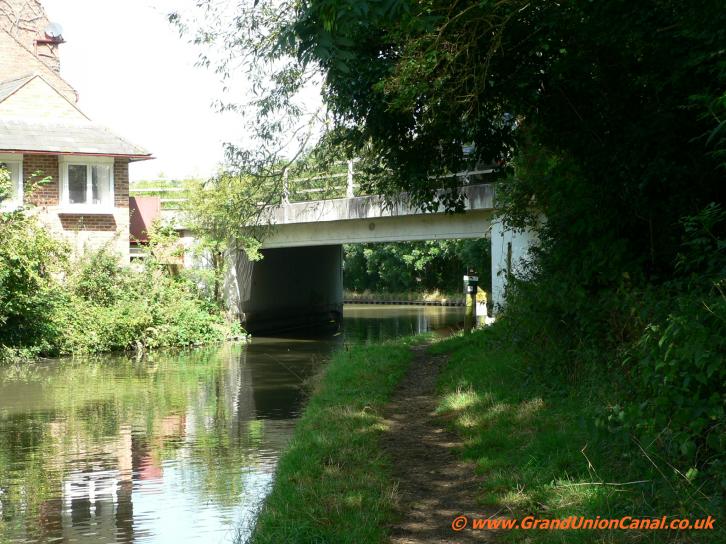
High House Bridge
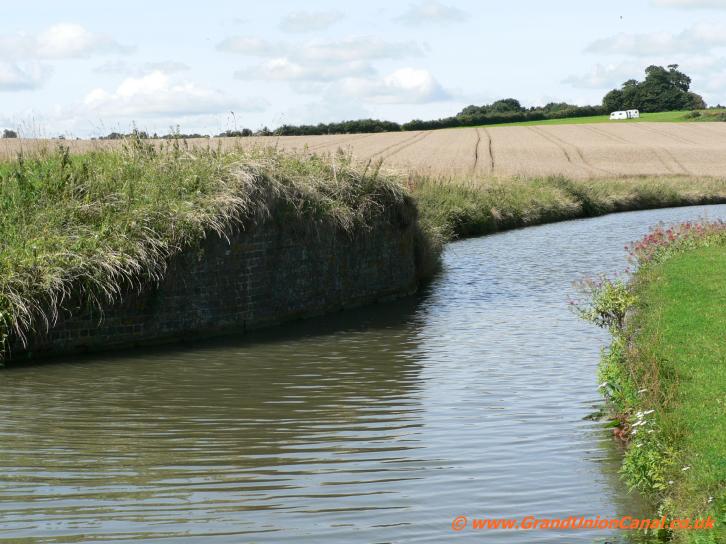
Site of bridge 30 or 31
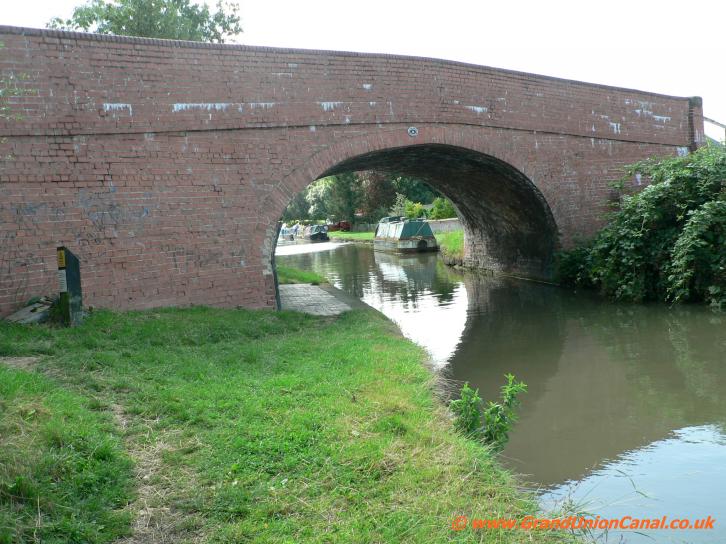
Bridge 32

Heyford Wharf Bridge 32

Heyford Wharf

Bridge 33

Bridge33
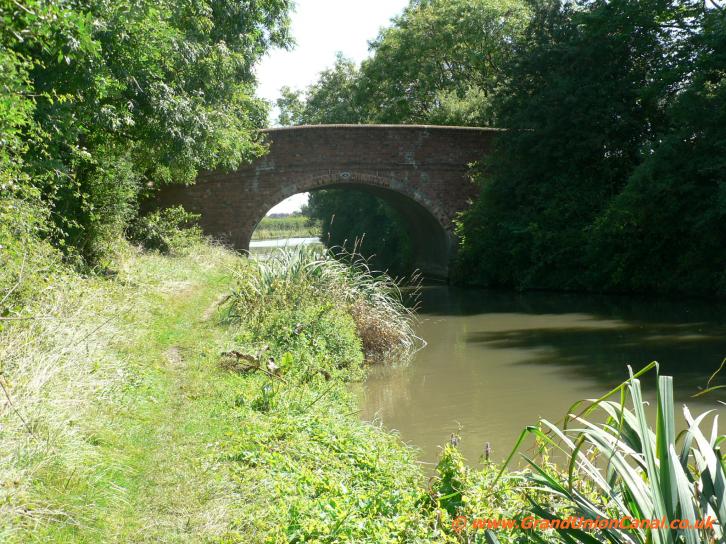
Bridge
34

Bridge34

Marina Heyford Fields
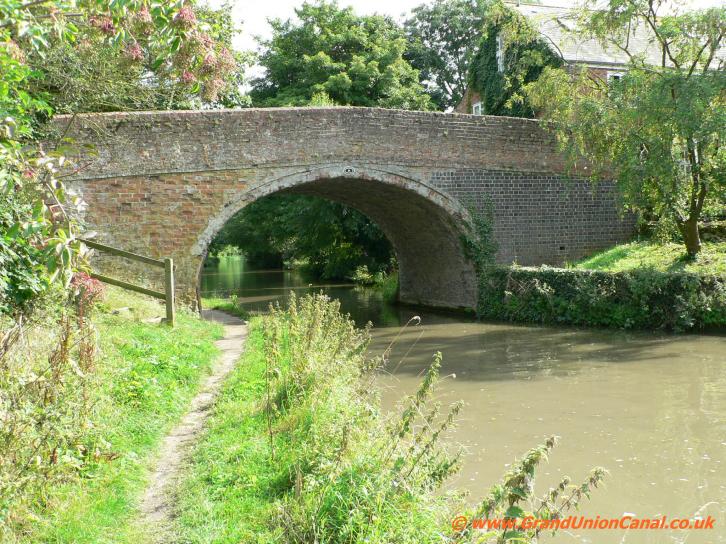
Elliots Bridge 35

Elliots Bridge
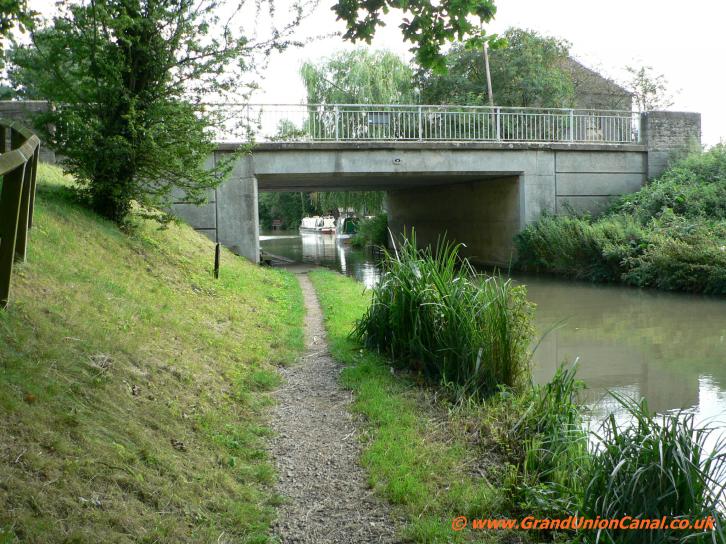
Bugbrooke Wharf Bridge 36

Bridge
36

Bugbrooke Wharf

Bridge 38

Bridge 38
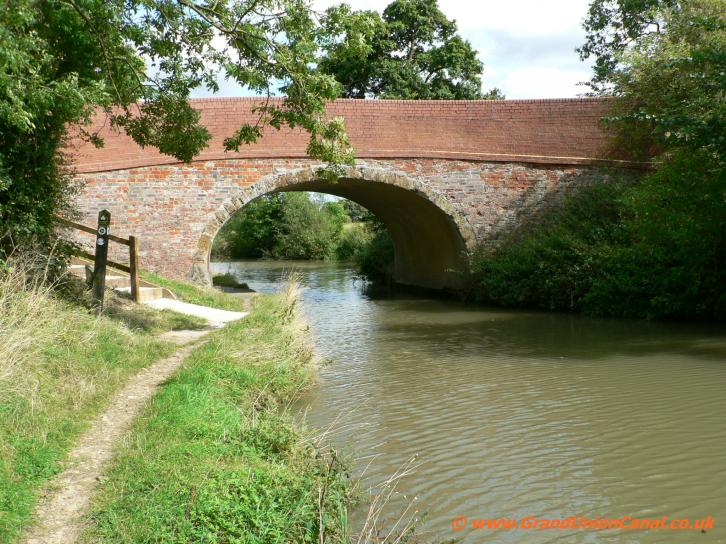
Bridge 40

Canal Bridge 40

Canal Bridge 41

Bridge no.41
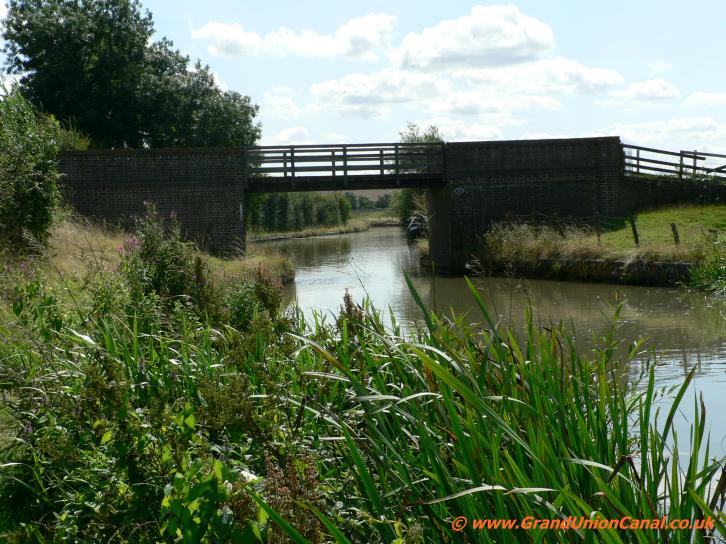
Bridge 42
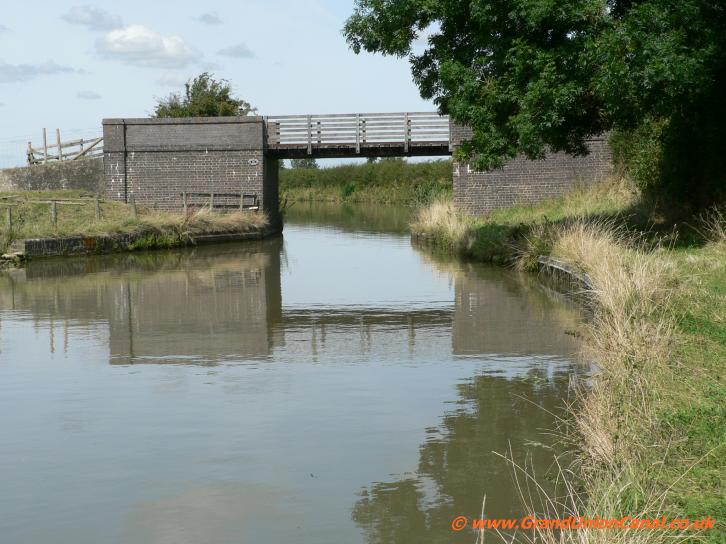
Bridge no.42
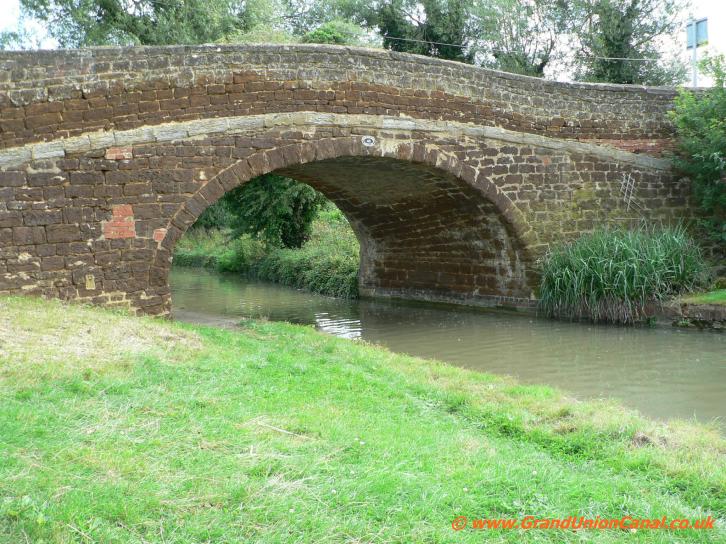
Banbury Lane Bridge 43
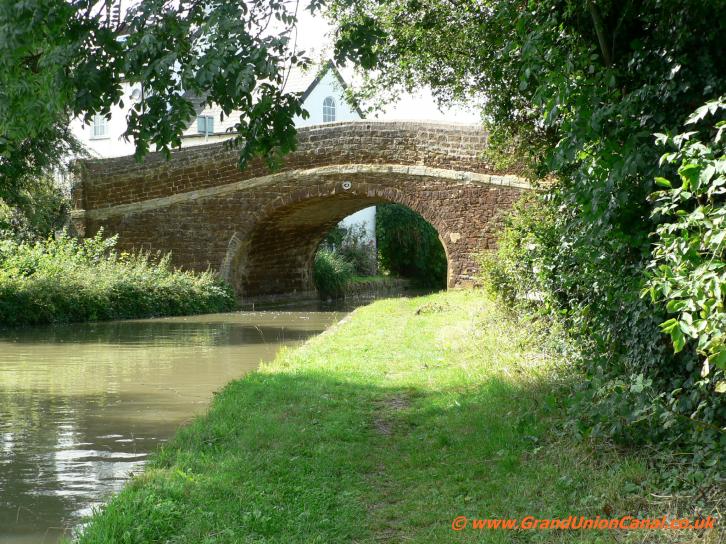
Banbury Lane Bridge
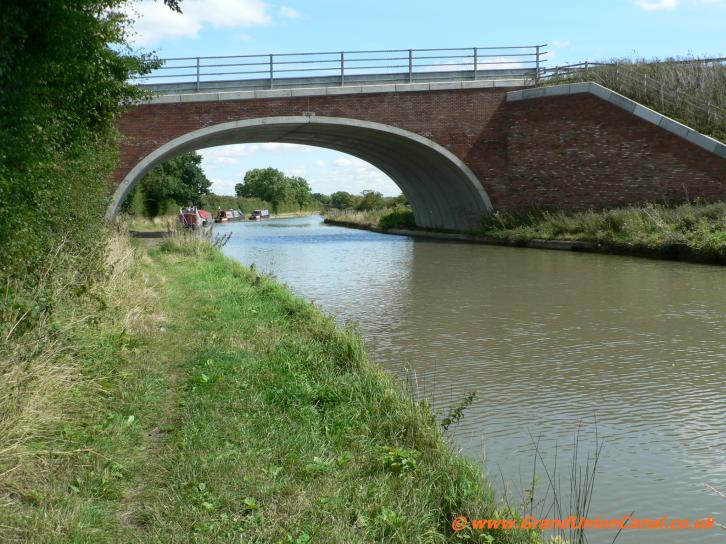
Banbury Lane Bridge
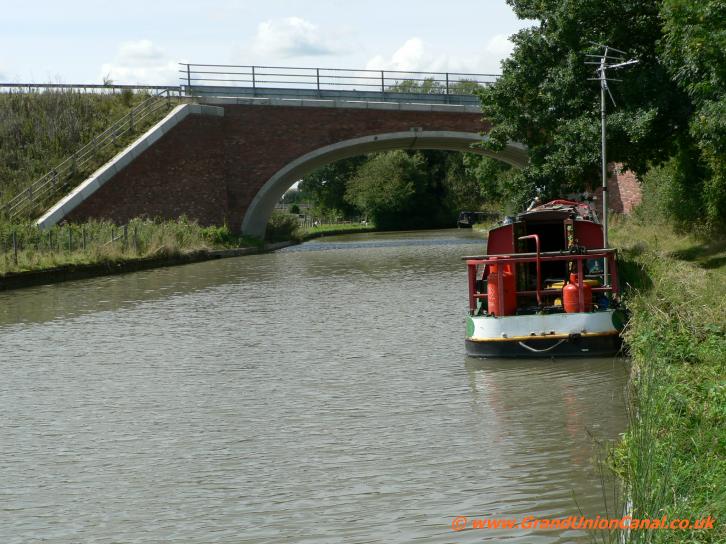
Banbury Lane Bridge 43a

East's Bridge
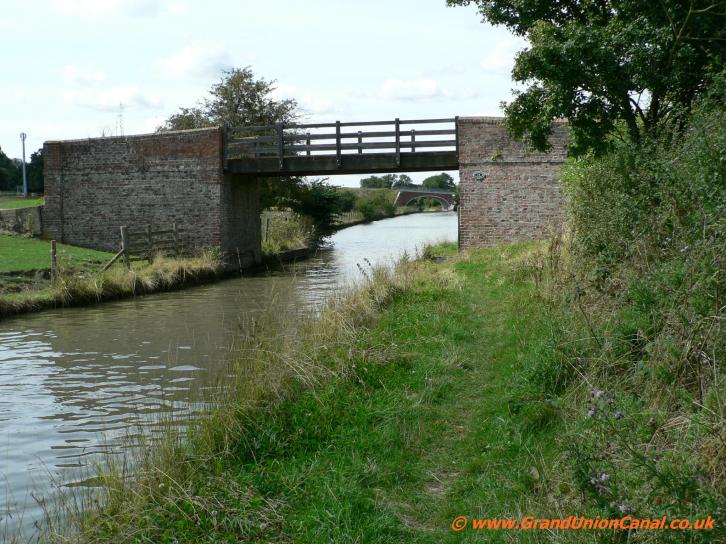
East's Bridge 44
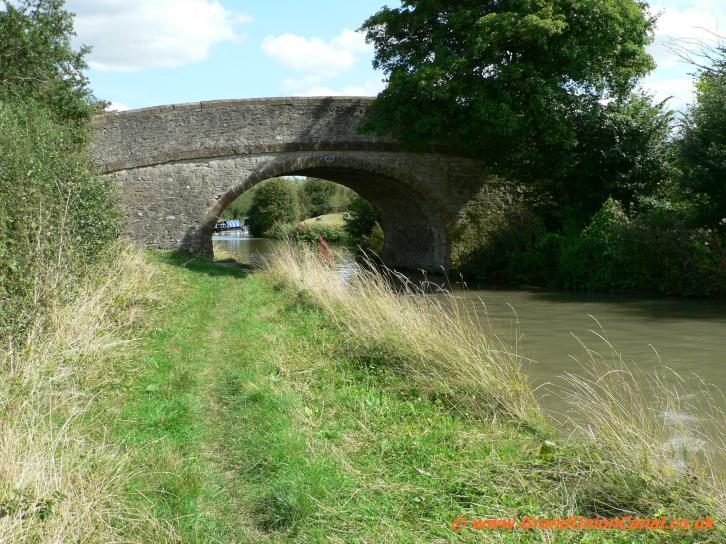
Wright's Lane
Bridge 45
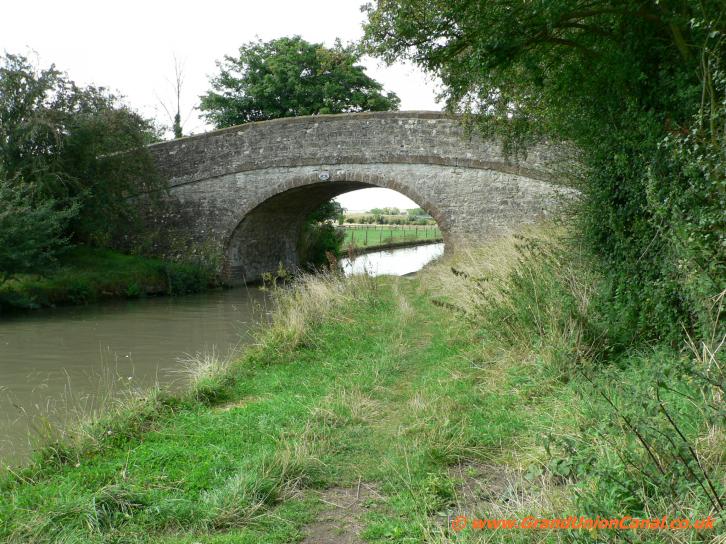
Wrights Lane Bridge

Bridge 46
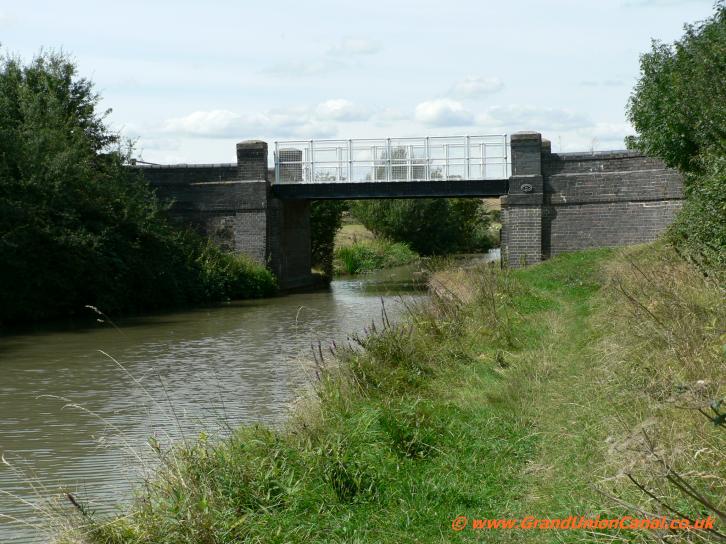
Bridge 46
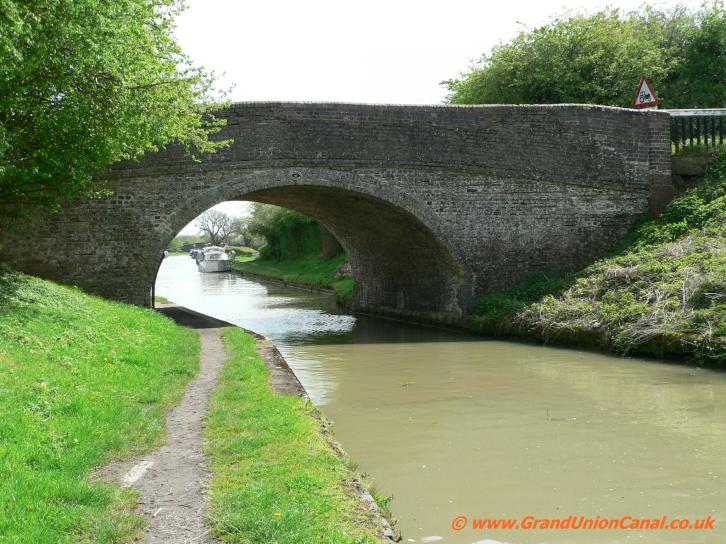
Turnover Bridge 47
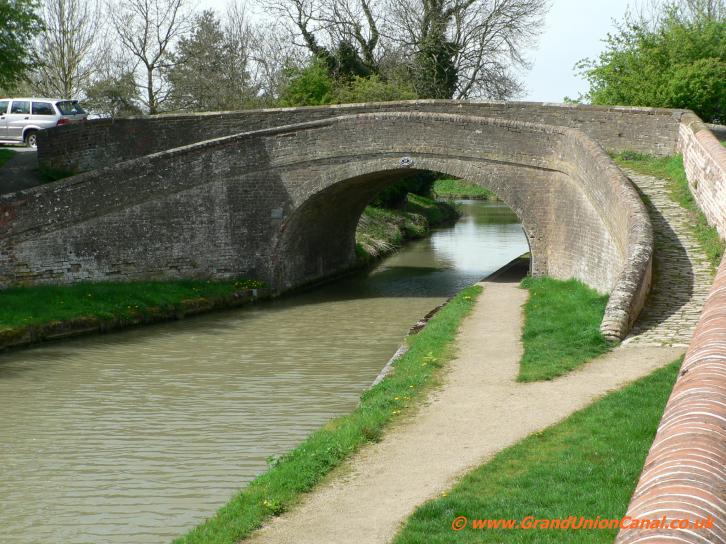
Turnover Bridge
The Grand Union Canal - Gayton Junction.
At Gayton (canal) Junction The Northampton Canal Arm branches off from the Grand Union Canal by Junction Bridge 48 - horses pulling the barges to and from the Northampton Arm would have used Turnover Bridge 47. There are a nice series of 17 canal locks along the 5 mile long Arm including the 13 Rothersthorpe Lock Flight - this is a really good and interesting area for walking and cycling. Please see our Northampton Canal Arm topic for photos and more information.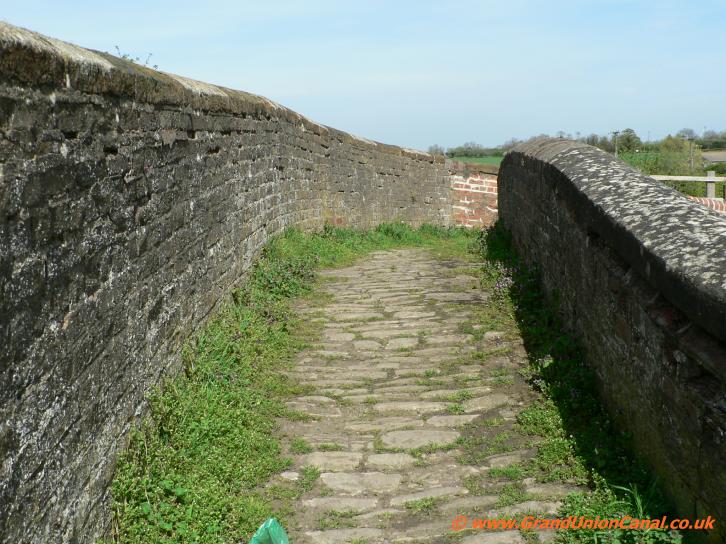
Turnover Bridge

Junction Bridge

Junction Bridge 48

A43t Bridge

ex railway Bridge

Bridge 48b

Railway
bridge 48b
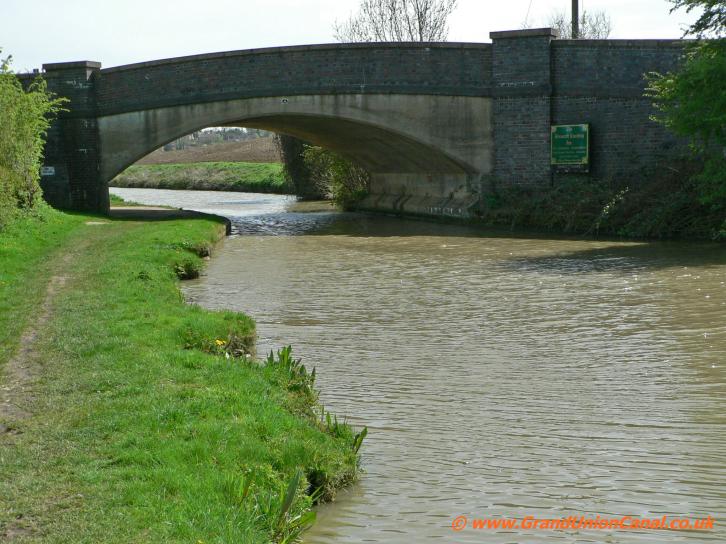
Bridge 49

Station Road Bridge
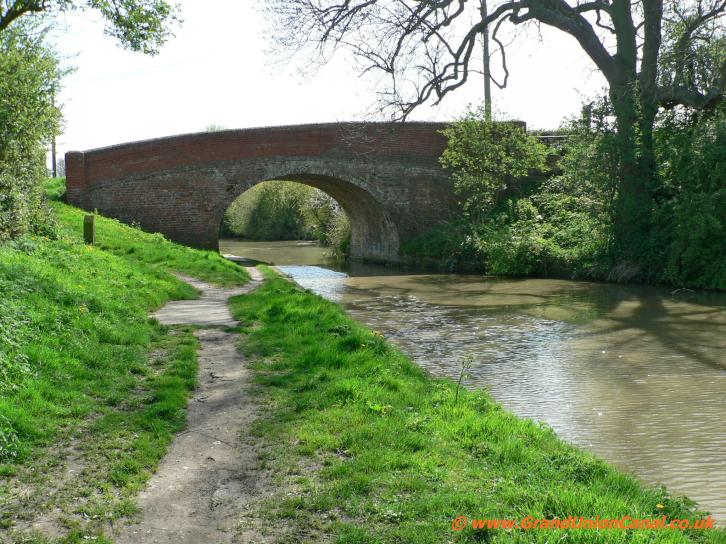
Candle Bridge

Candle Bridge 50

Blisworth Mill Bridge 51

Blisworth Mill Bridge

Blisworth Mill area

Blisworth Tunnel
Boat traffic using Blisworth Tunnel and also Braunston Tunnel in the olden days.
Originally boats had to be legged through both tunnels then eventually ordinary traffic was pulled through the tunnels by canal company tugs. However gunpowder boats still had to be legged through individually for obvious reasons (see above about the use of the canal for moving gunpowder around from Weedon Beck) . Independant steamers could pass through the tunnels at any time - in the case of Blishworth Tunnel they passed on the left side and through Braunston Tunnel on the right side. The company tugs left at fixed times and tickets were issued for Blisworth Tunnel at Gayton and Stoke Bruerne Toll Offices and for Braunston at Branstona and Buckby Toll Offices.

Constructing Tunnels on The Grand Union Canal.
Building long tunnels such as the 3076 yard long Blisworth Tunnel (completed in 1805) was probably the most difficult and certainly the most dangerous part of the construction of the canal systems in the U.K. The tunnels would be started from either side of the hill but also shafts were opened along the route and miners would work outwards from these as well - the idea being of course to all meet up to create the tunnel. At the time the only tools available to the miners were picks, shovels and wheelbarrows.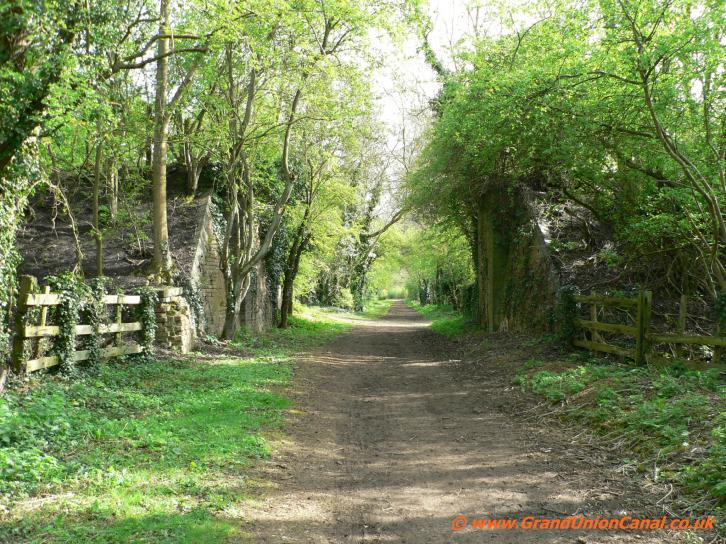
Above the tunnel

Blisworth Tunnel S

Blisworth Tunnel S
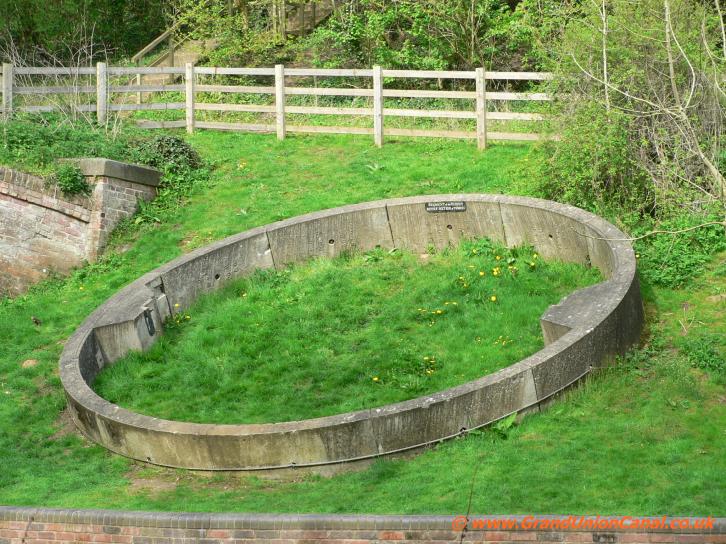
Tunnel segment

Workmans hut
 Parts of Blisworth Tunnel's original route which started construction in 1793 came across quicksand in 1796 (and the intended route had
to be abandoned) - building tunnels in those times was very dangerous work. Once the tunnels were completed some airshafts were filled in whilst others were left to provide ventilation as several at
Parts of Blisworth Tunnel's original route which started construction in 1793 came across quicksand in 1796 (and the intended route had
to be abandoned) - building tunnels in those times was very dangerous work. Once the tunnels were completed some airshafts were filled in whilst others were left to provide ventilation as several at Blisworth Tunnel and at Braunston Tunnel
where they can still be seen in the fields above.If out towpath walking or cycling on this stretch of the Grand Union Canal when you reach the northern end of