The Regent's Canal in London - from Paddington to St Pancras.
Leaving the Paddington Arm near Little Venice, The Regent's Canal heads east across London passing Regent's Park, London Zoo and Victoria Park before turning south to end at Limehouse Basin.
Named after the Prince Regent the 8.5 mile long Regents Canal was planned by Thomas Homer to provide a commercial link between the Grand Union Canal via the Paddington Arm and London's docks beside the River Thames in London's East End. Opened in 1820 the canal was built by The Regent's Canal Company and designed by architect John Nash (who was also responsible for Regent's Park). As well as having access to the River Thames narrowboat owners can use the Regent's Canal as a connection with the River Lee Navigation (and therefore also the River Stort Navigation) via Limehouse Basin.About using The Regent's Canal for either a Walk or Bike ride along the towpath.
The canal's towpath is generally quite wide and nearly always well surfaced for the entire stretch of the canal so the Regents Canal is great for a walk or to cycle along. Things are straightforward apart from two diversions you have to make - firstly at Maida Hill Tunnel and secondly at Islington Tunnel neither of which were constructed with internal towpaths.From where the canal starts at the Paddington Arm junction you can only stay on the towpath for a short distance. The last several hundred metres up to Maida Hill Tunnel have permanent stay narrowboats moored and for some reason towpath access is deemed "private" so you have to use the pavement instead. Getting past the 270 yards long Maida Hill Tunnel is just a question of walking up to the road junction and simply keeping straight ahead over the lights and after a while back down onto the towpath.
Our Canal topics are split into two pages - this covers the route heading east from Bridge 1 (which is the Paddington end) and goes as far as St. Pancras. Please also therefore take a look at the second part which follows the Regents Canal for the rest of it's journey to it's end at Limehouse Basin.
[ Clicking the thumbnails will open a much larger picture - use the back button to return to this page. ]

Regent's Canal Bridge1 (Paddington)
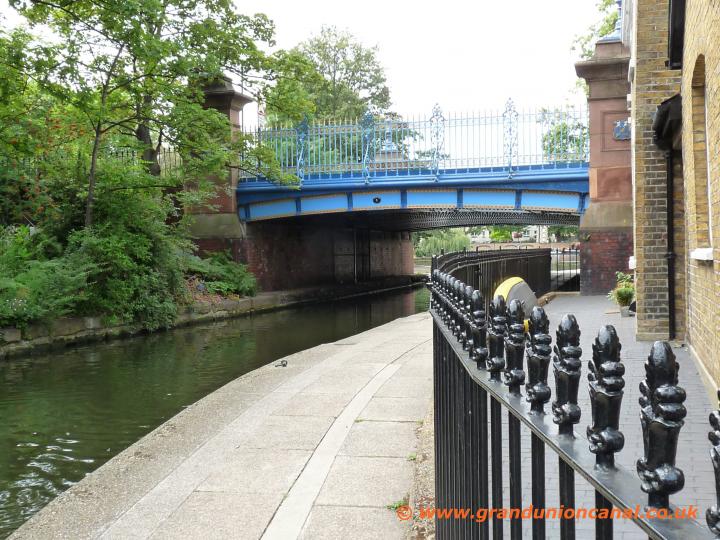
Bridge 1,
Regent's Canal.
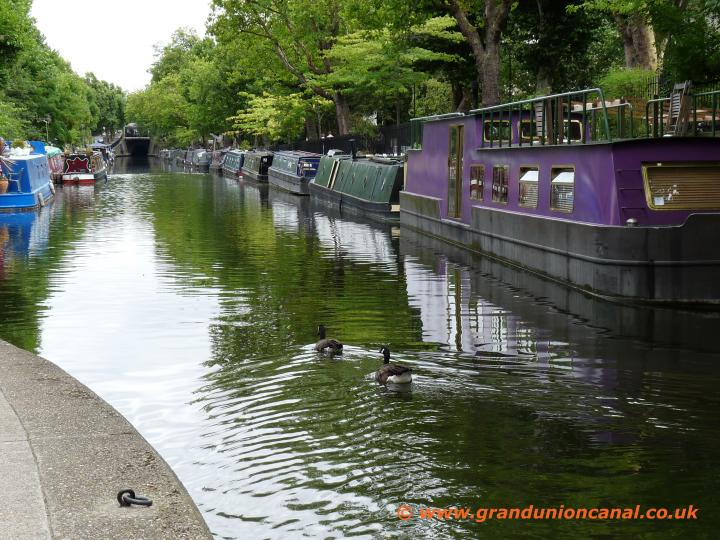
View to Maida Hill Tunnel
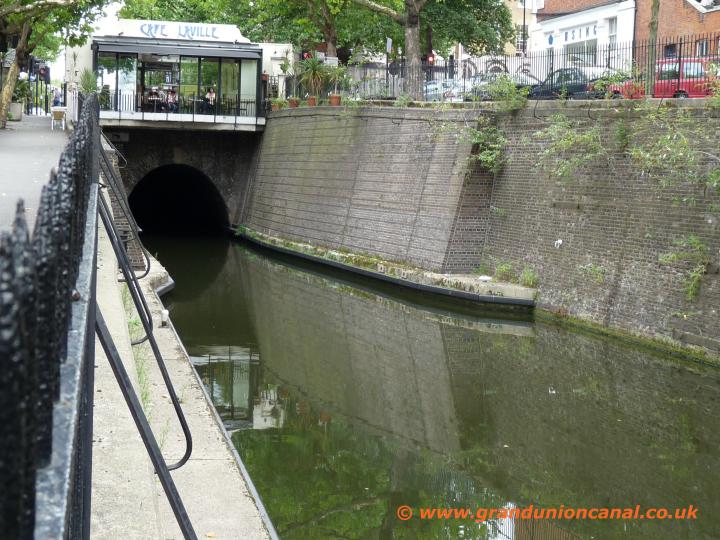
Maida Hill Tunnel W
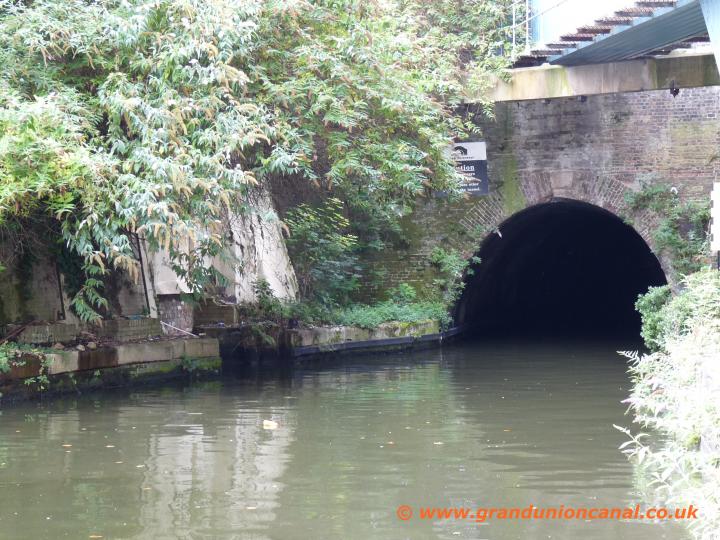
Maida Hill Tunnel E

Eyres aka Lisson Grove Bridge
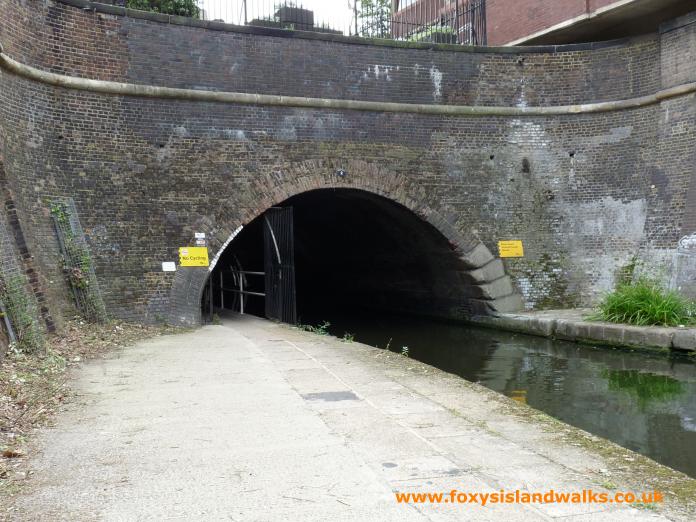
Eyres Tunnel
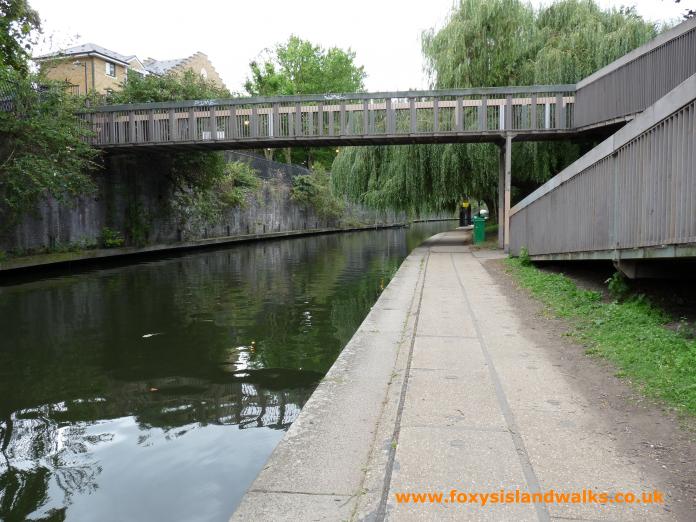
Canal footbridge 3
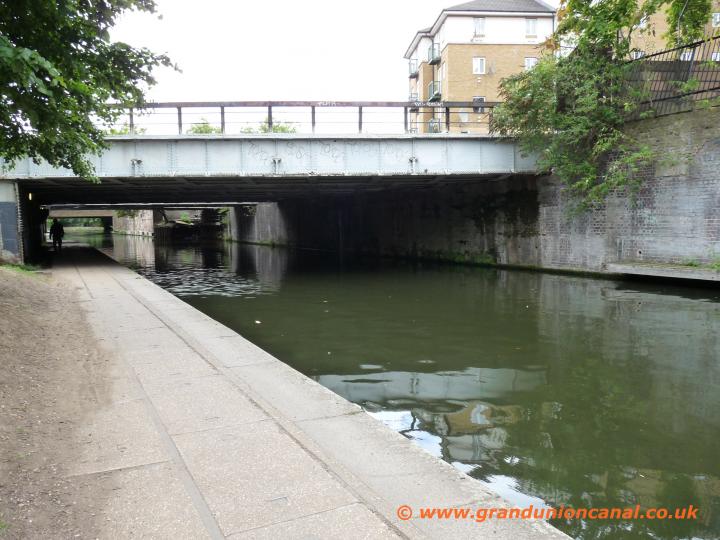
railway bridges 4 5 + 6
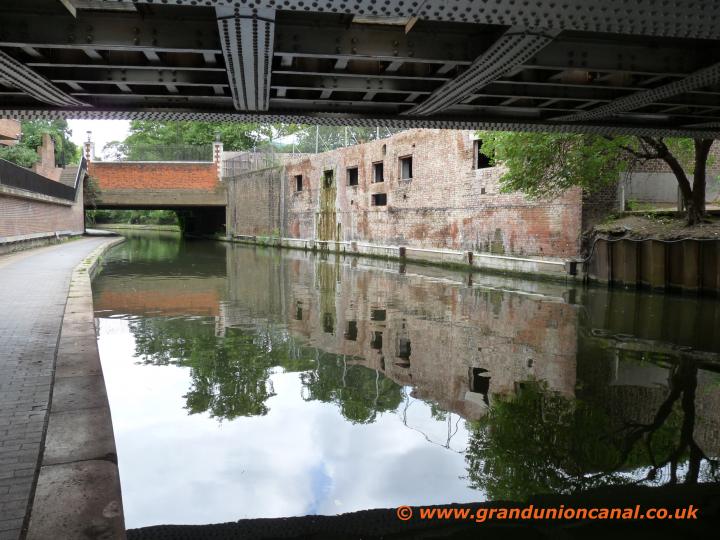
Railway Bridges 6 and 7
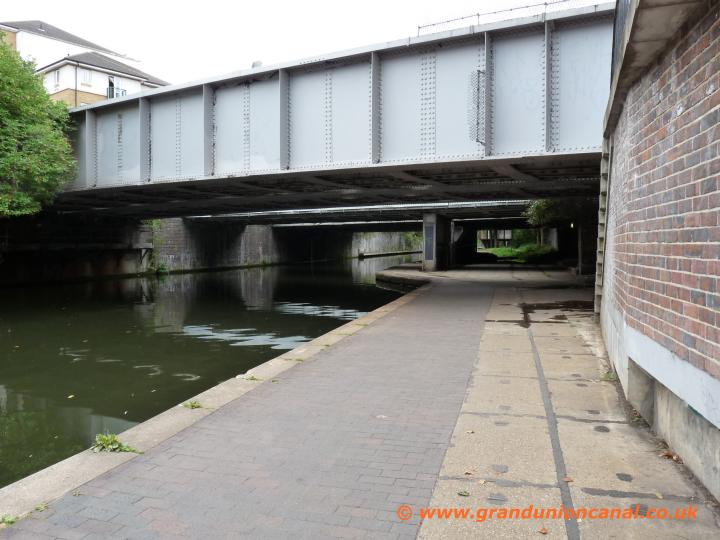
Railway Bridges 6 5 and 4
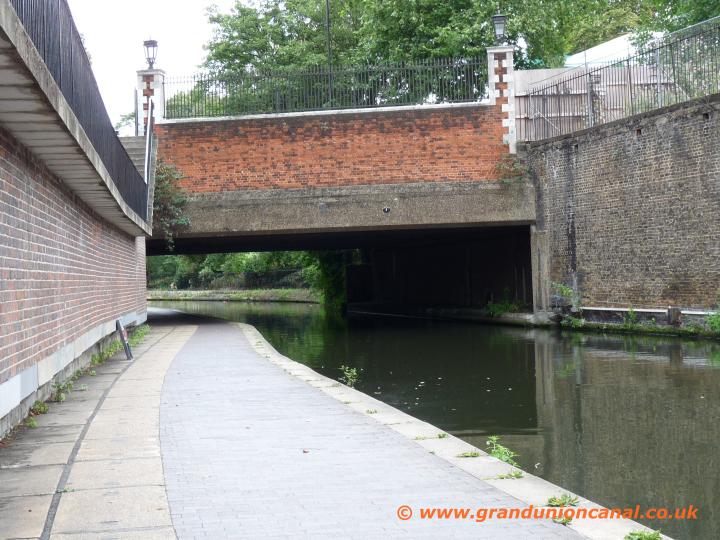
Regent's Canal bridge 7
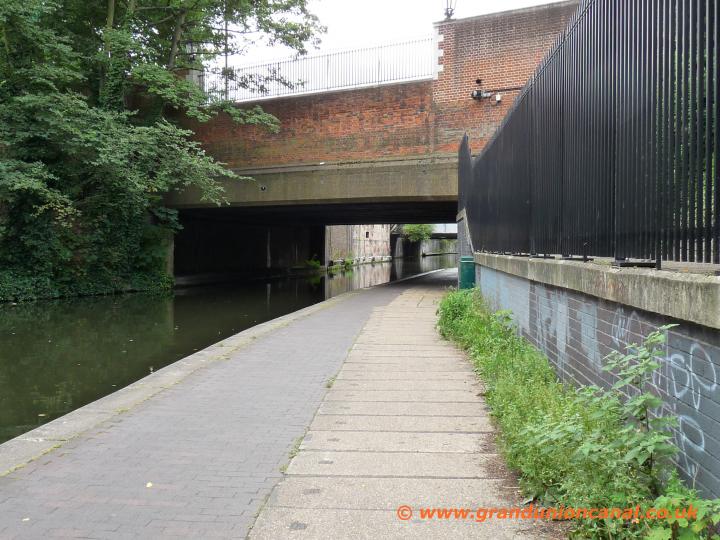
Bridge 7
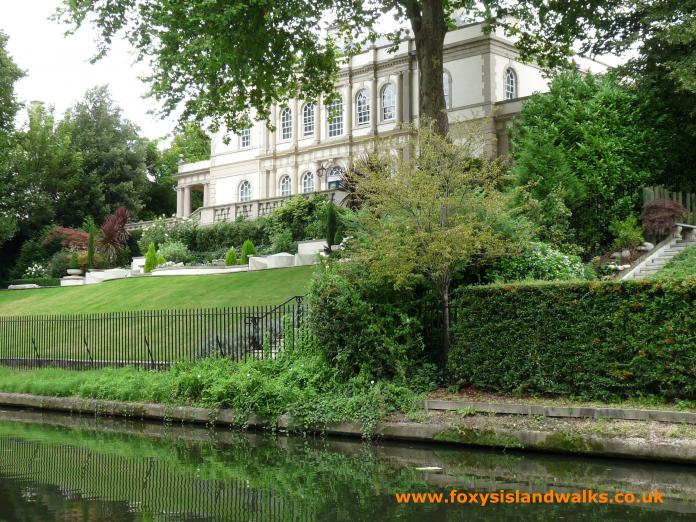
Regency Houses
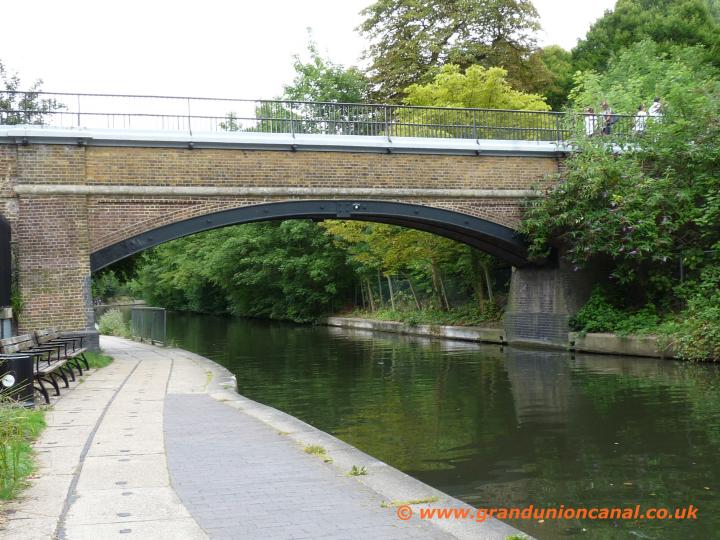
Bridge 9
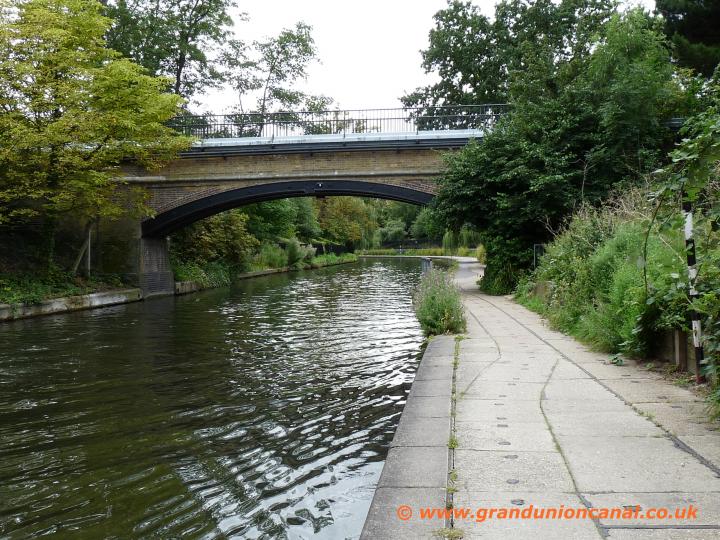
Canal Bridge 8
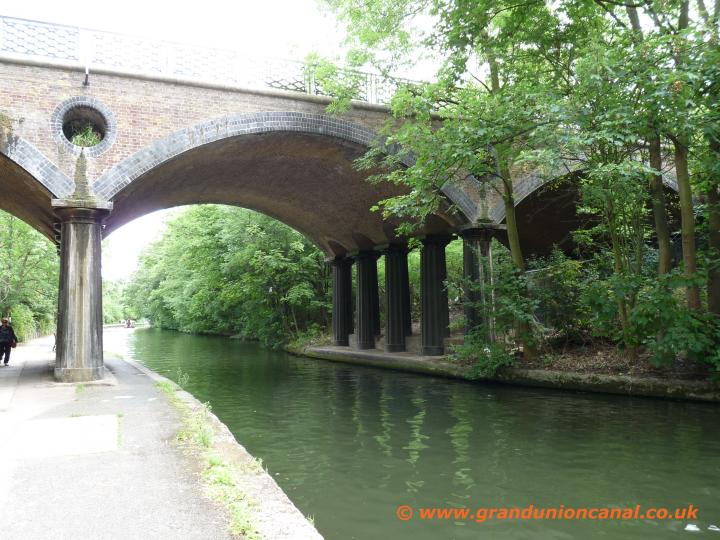
Blow Up Bridge 9
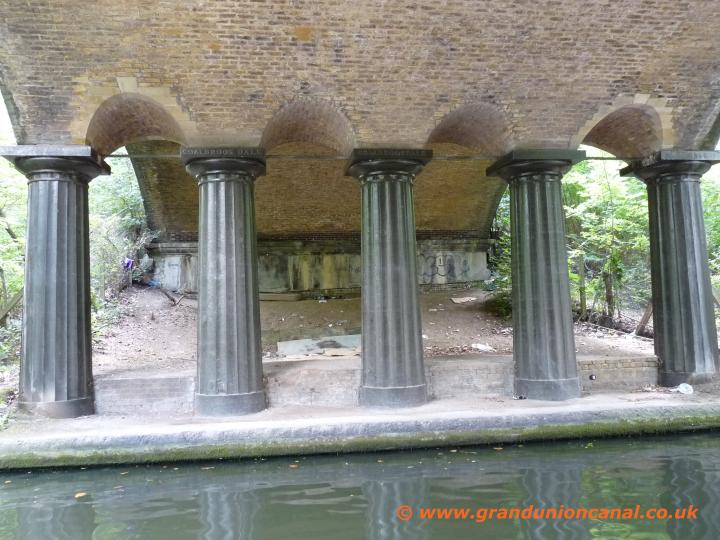
Blow Up Bridge
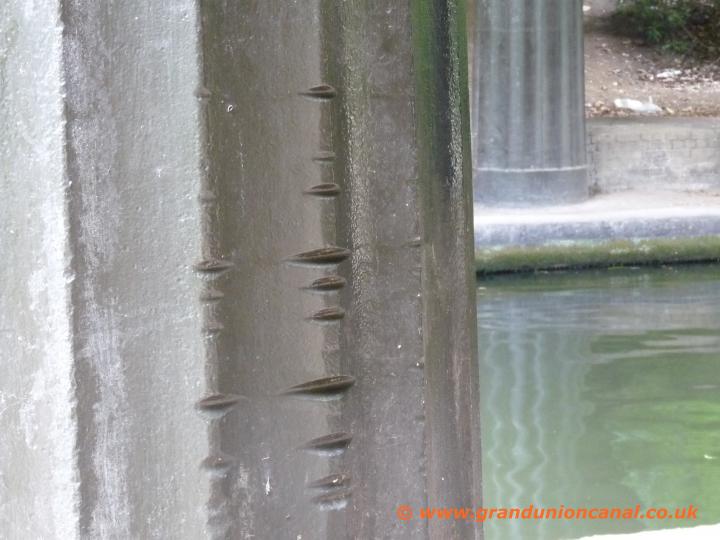
Tow rope marks
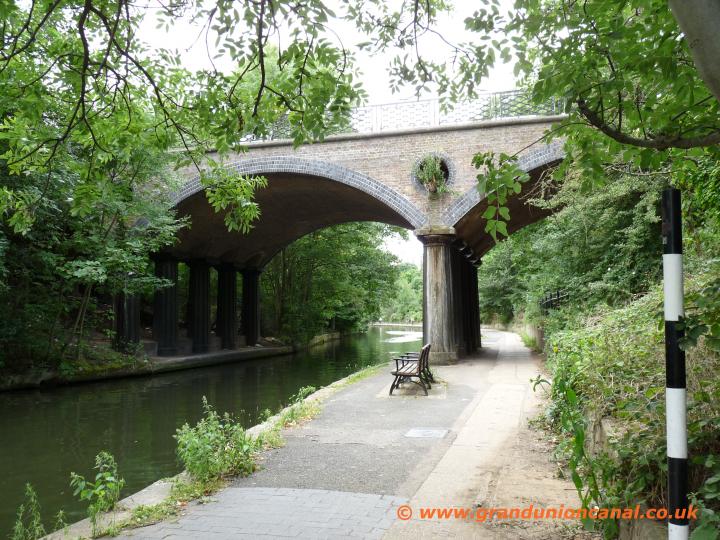
Blow Up Bridge

Canal Bridge 10
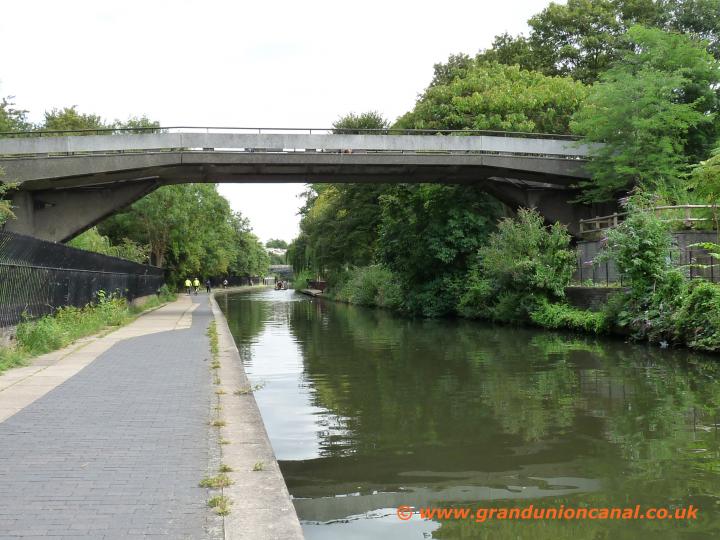
Bridge 11
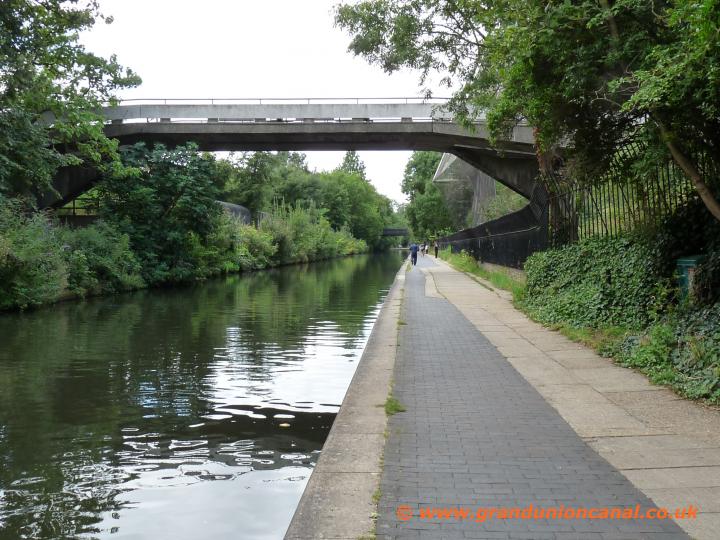
Bridge 11

Bridge 12
Commercial barges carried all types of cargo along the canal systems some of which was quite hazardous.
Blow Up Bridge on the Regents Canal
was destroyed in October 1874 when a boat called "Tilbury" which was carrying gunpowder exploded. The bridge was rebuilt however it's pillars were turned around to provide a smooth surface for the boat's towing ropes - the original rope-grooves can still be clearly seen. Just after Blow Up Bridge the canal passes through the grounds of Regent's Zoo which was opened 8 years after the canal was finished.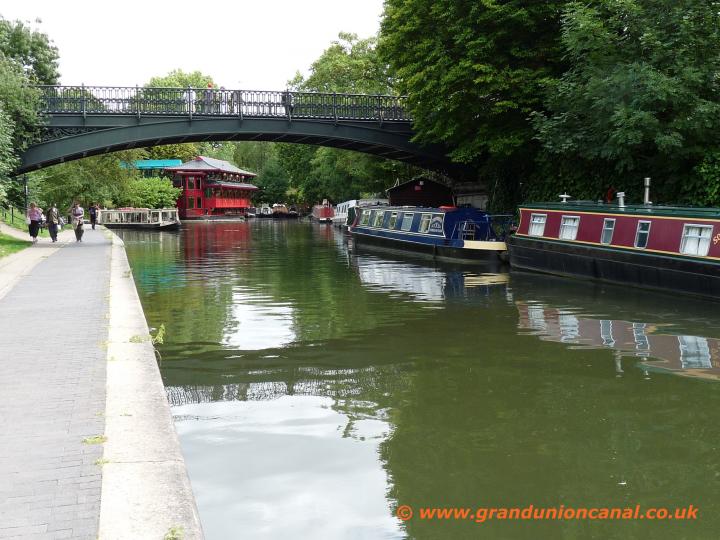
Bridge 13
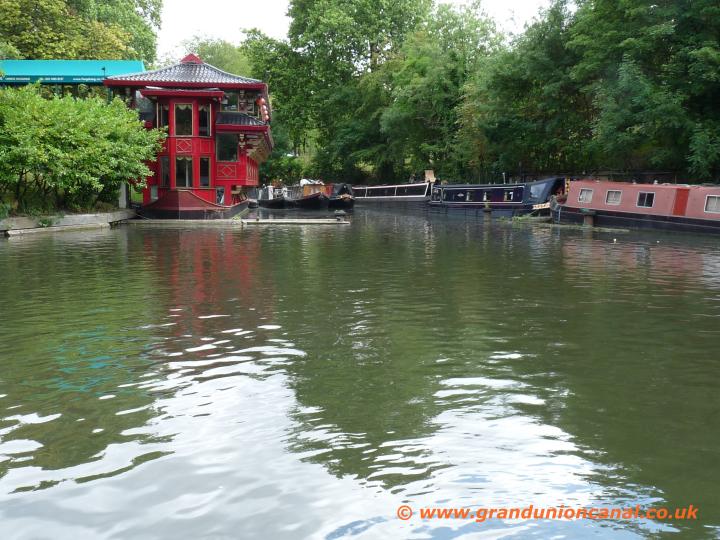
Cumberland Basin
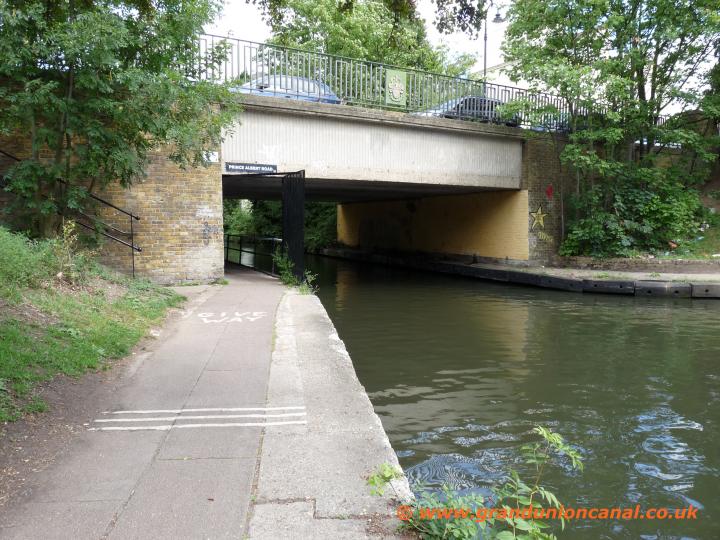
Prince Albert Roadbridge
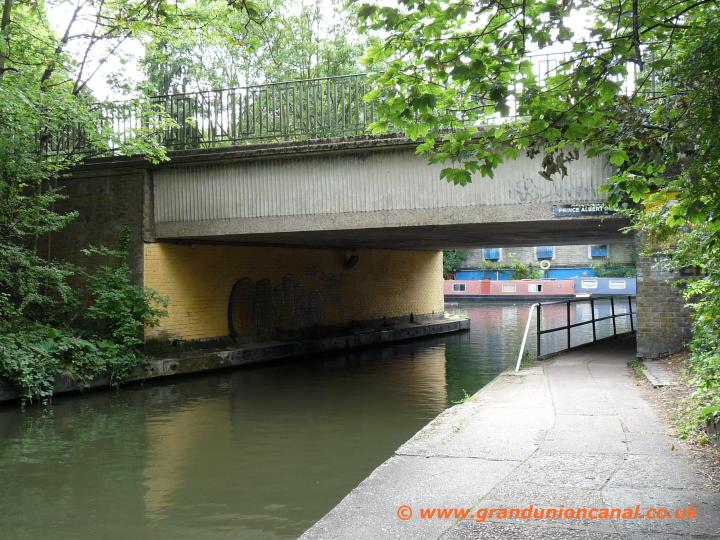
Prince Albert Roadbridge
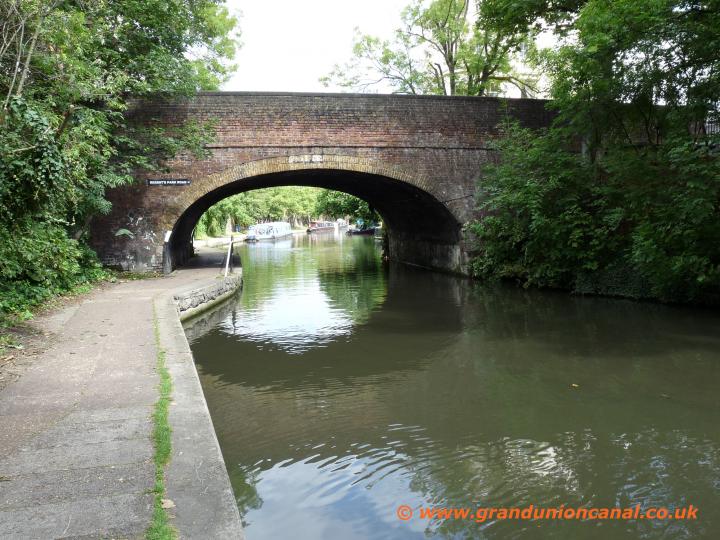
Regents Park Roadbridge
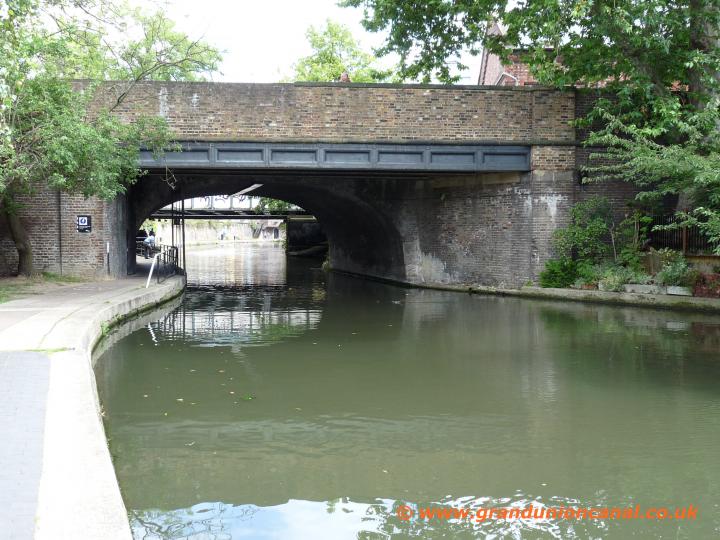
Gloucester Avenue Bridge
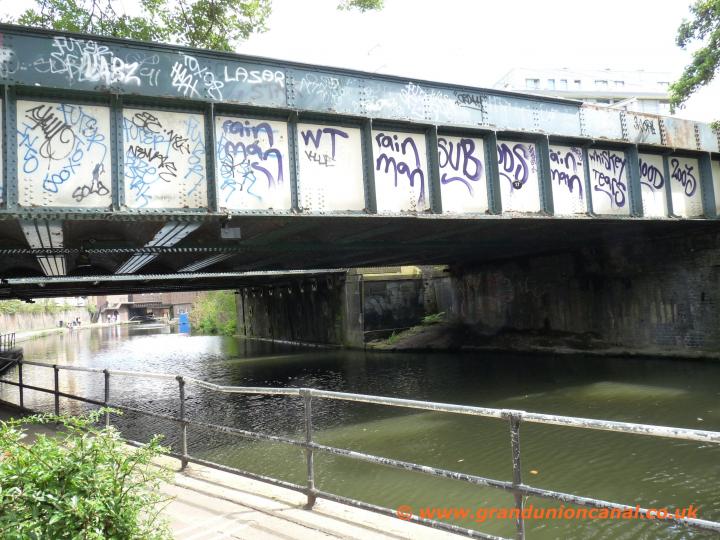
Railway Bridge 17
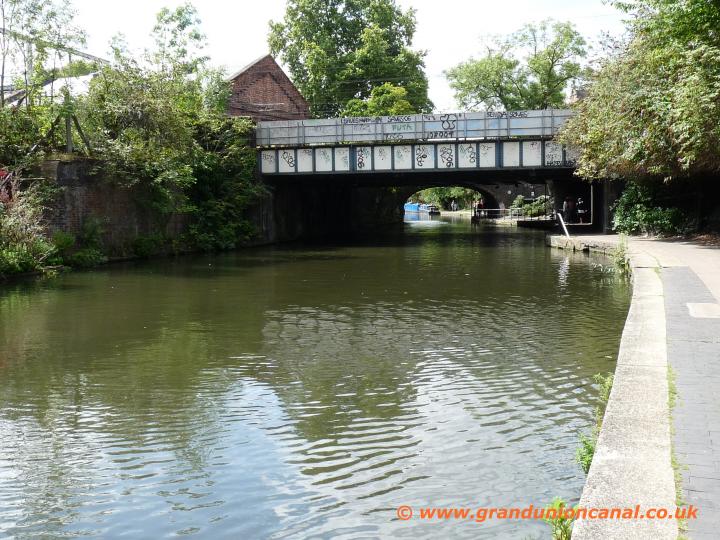
Railway Bridge 18
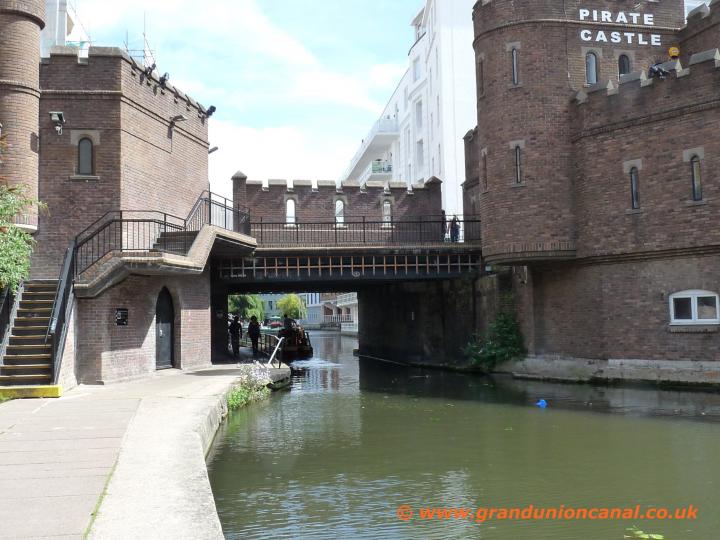
Oval Road Bridge
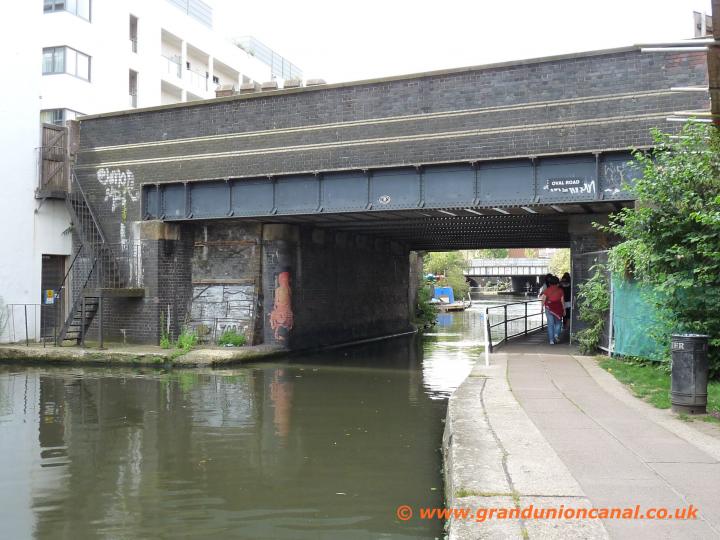
Oval Road Bridge

Dingwall's Wharf Bridge
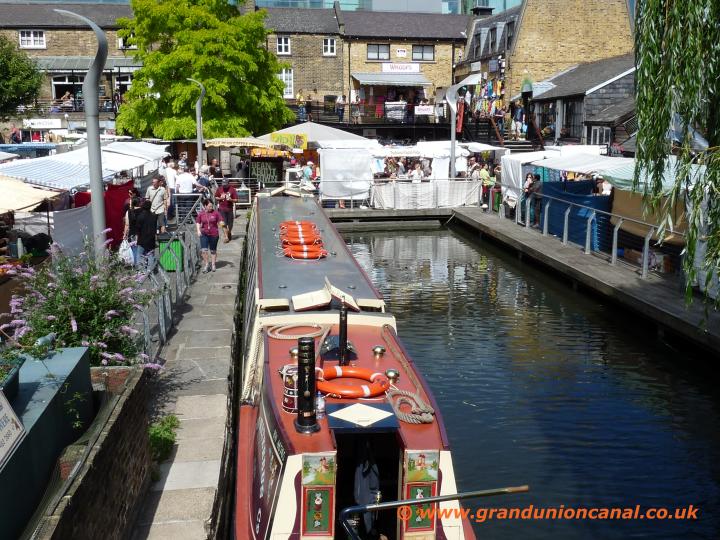
Dingwalls Wharf
Hampstead Road Locks are the first Regents Canal locks you encounter when heading east.
The canal locks comprise of one double and one single - the single lock being used when it's quiet so water can be preserved. On weekends the area is packed with people visiting the markets, restaurants and pubs which are situated all around Camden Town. At Camden Lock Market there are also plenty of fast food stalls offering spicy Indian foods - the whole area is very colourful.Cycling is permitted on most of the Regent's Canal and is hugely popular. There are notices telling cyclists that they should be both careful of people walking and so on - however quite a few cyclists go far too fast and weave carelessly between pedestrians and fishermen. Also beware of cyclists going quickly through the narrow low headroom bridges - ignoring the fact that people and other cyclists might be around.
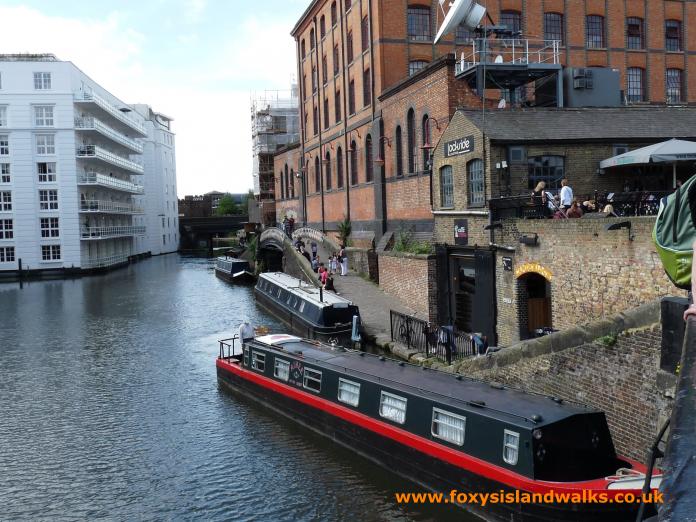
View Dingwalls Wharf
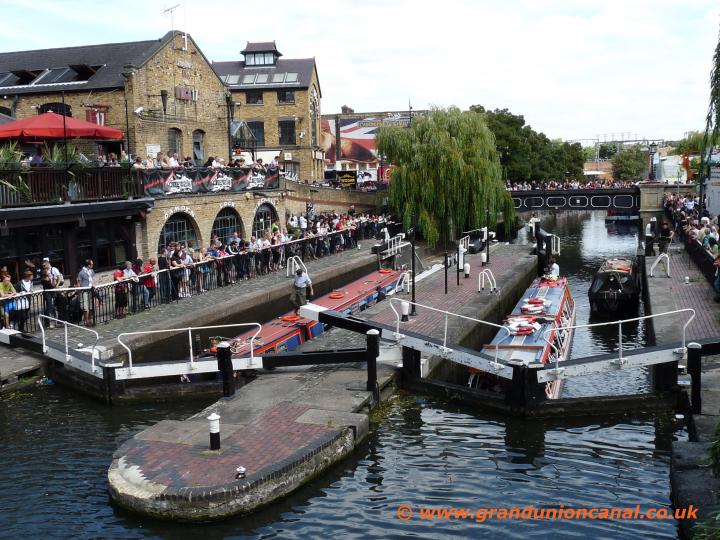
Hampstead Road Locks1

Lock Gates Hampstead Road
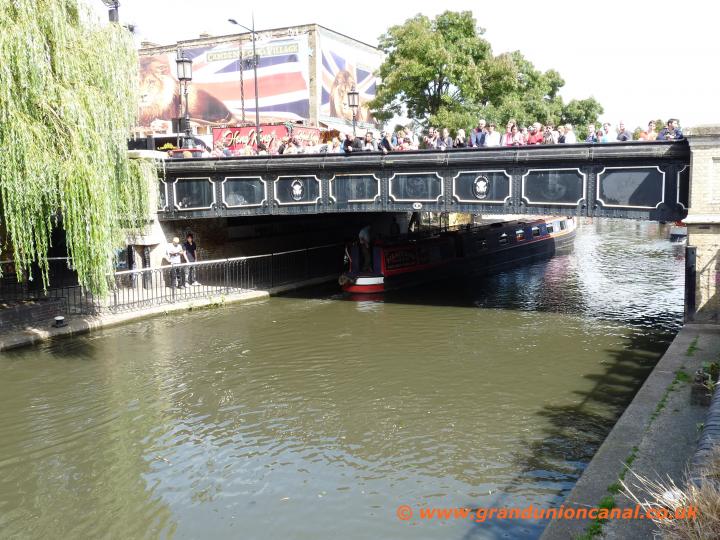
Chalk Farm Road Bridge
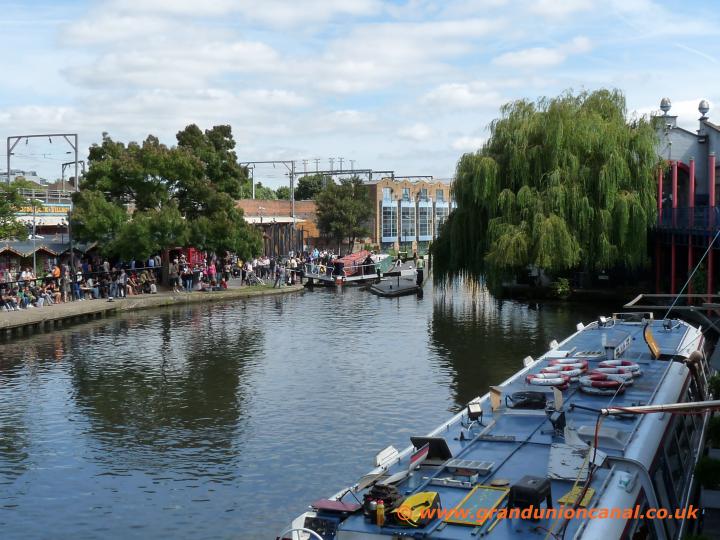
Hawley Lock area

Hawley Lock 2

Kentish Town Lock3

Kentish Town Roadbridge
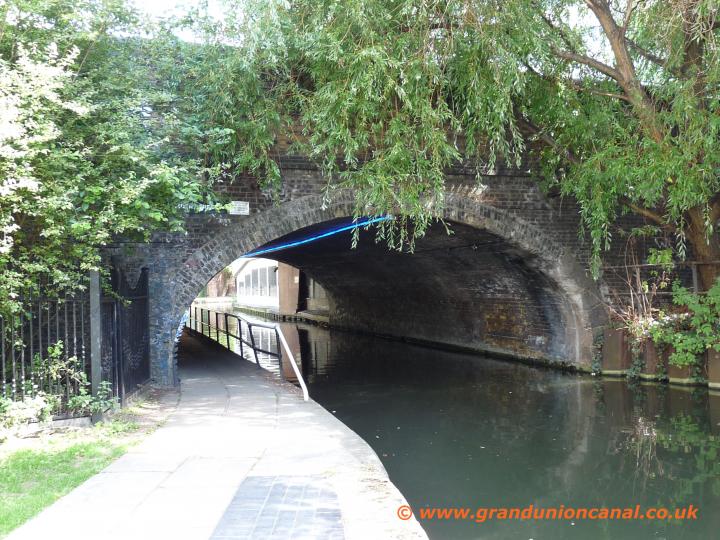
Camden Street Bridge 26
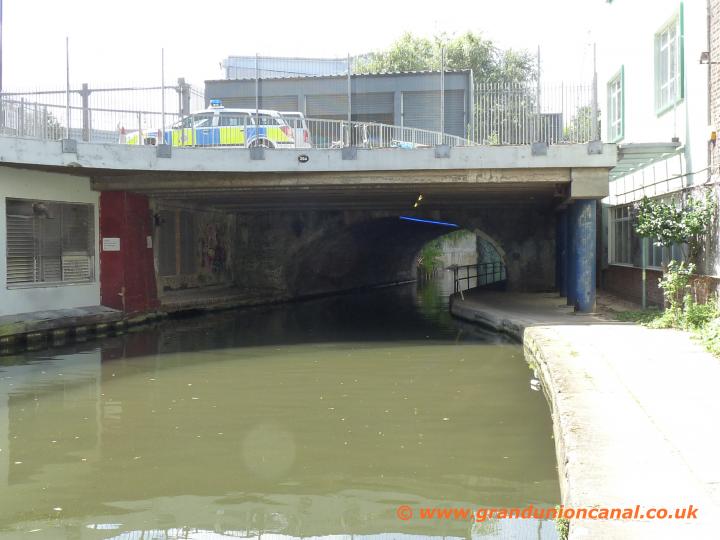
Camden Street Bridge
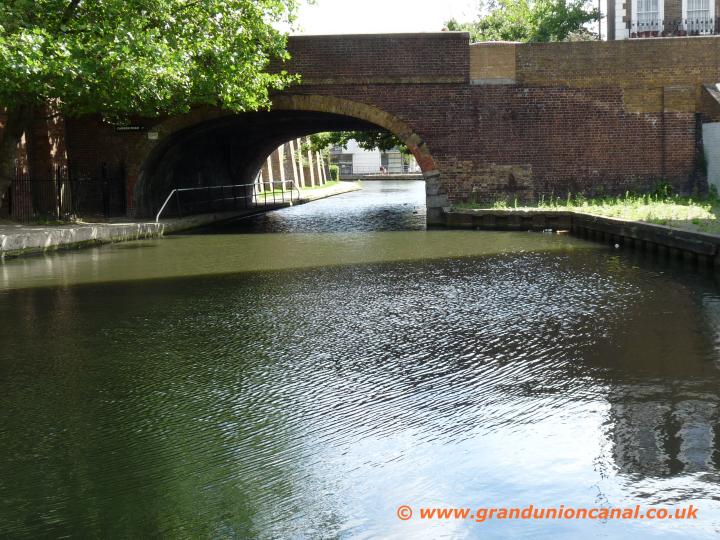
Camden Road Bridge 27
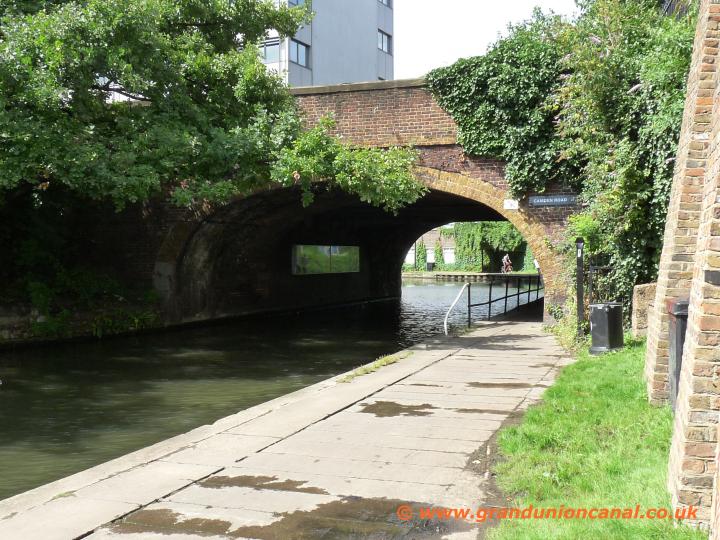
Camden Road Bridge
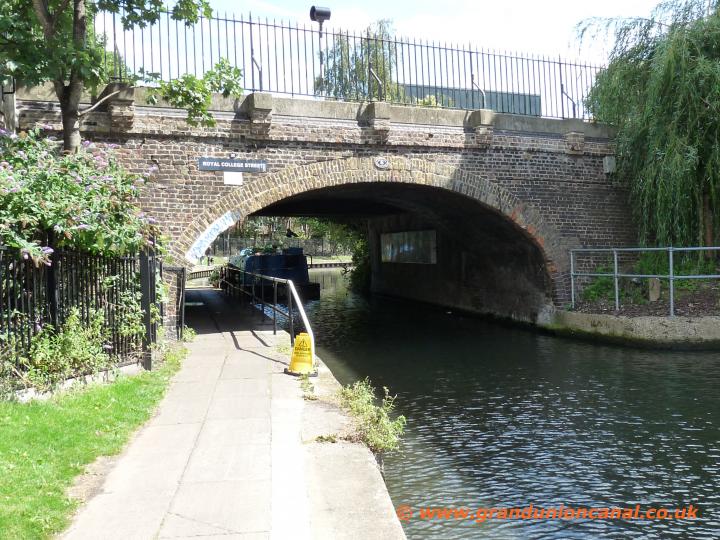
Royal College Street Bridge
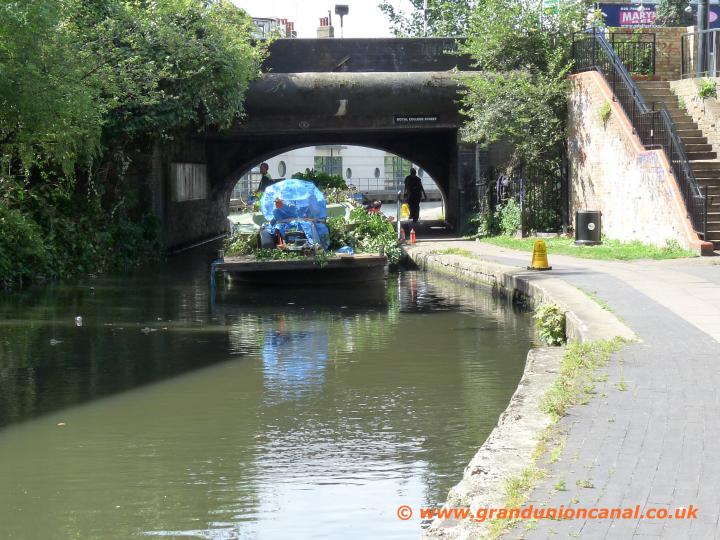
Royal College Street Bridge 28
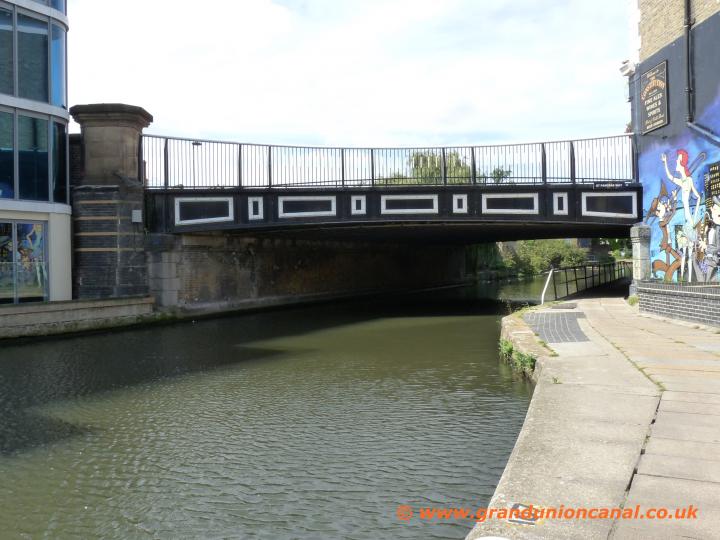
St Pancras Way Bridge
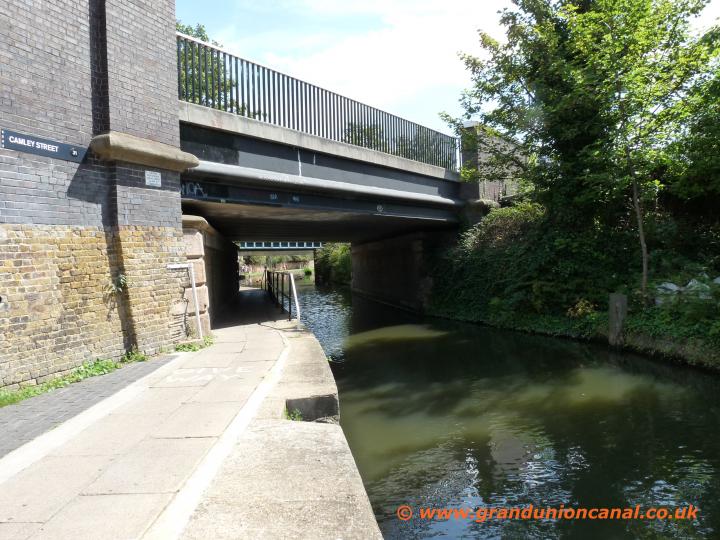
Camley Street Bridge

Railway Bridge 32
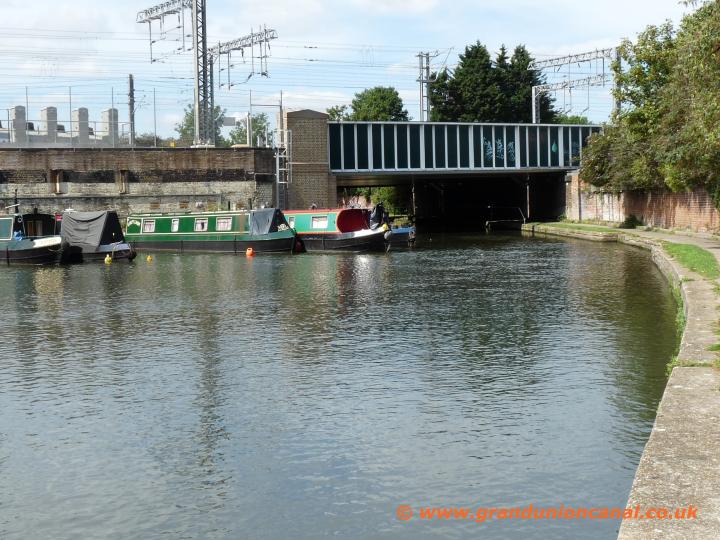
Railway bridge 32

Pumphouse St. Pancras

St. Pancras Lock 4

Lock gates St. Pancras Lock

Side bridge Regents Canal
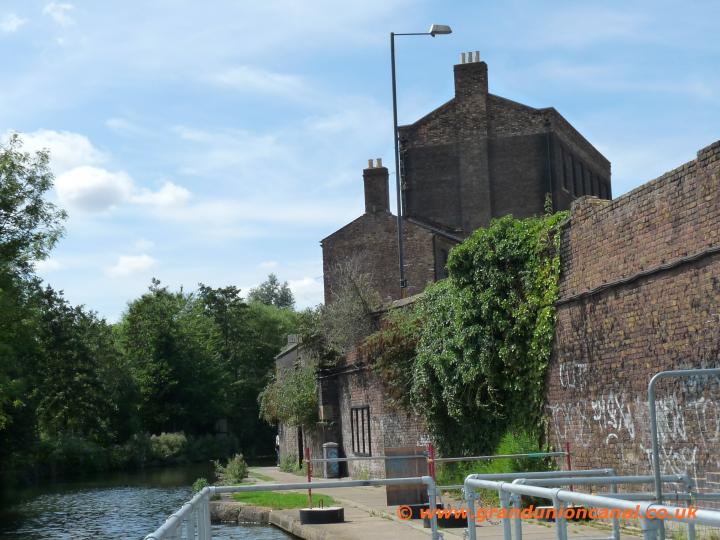
Views Regents Canal
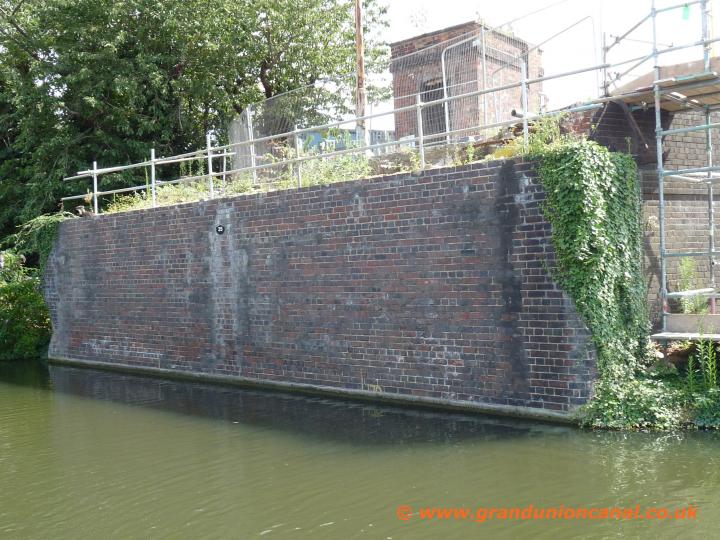
Remains of bridge 35
The second part of the canal is covered by our
Regents Canal Islington to Limehouse Basin topic.
Please take a look at our Grand Union Canal Home Page - covering the entire length of the Grand Union Canal Main Line and also it's Canal Arms and Sections.
Please take a look at our Grand Union Canal Home Page - covering the entire length of the Grand Union Canal Main Line and also it's Canal Arms and Sections.
Contact us via Site Resources. You may also be interest in reading our Privacy and Cookie Policy.